
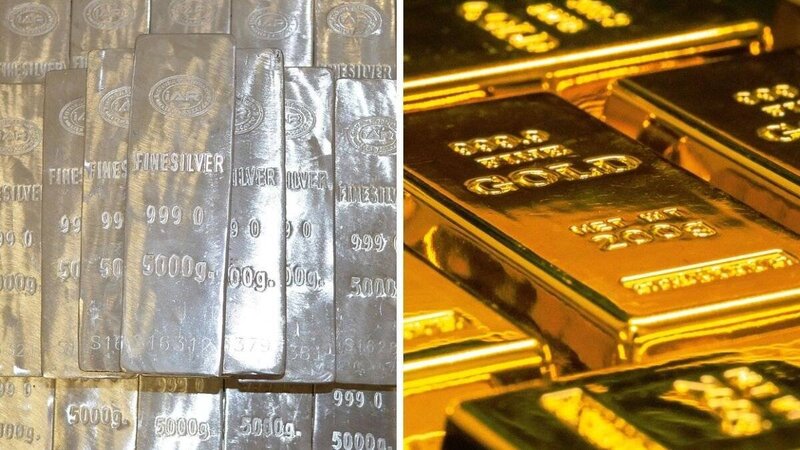
Markets are currently gripped by enthusiasm for gold and silver. Two assets classified as precious metals which, for investors with commodity exposure over the past two years, appear to be on a near-continuous upward trajectory. Price charts point higher, momentum indicators remain supportive, and the dominant narrative reinforces bullish positioning. When price action and narrative converge, investors tend to assume the trend is self-sustaining.}
A longer historical perspective tells a different story. Gold and silver are neither linear assets nor structurally compounding investments. They are not designed to deliver persistent real returns over time. They are inherently cyclical instruments. And when they transition into a bear phase, drawdowns can persist well beyond the average investor’s investment horizon. Understanding why is essential.
Two metals, two souls
The current strength in gold and silver prices creates the impression that both metals are responding to the same macro drivers. The implicit assumption is that a supportive environment for one automatically benefits the other. This is the first—and most common—analytical mistake.
Gold and Silver are driven by fundamentally different demand dynamics.
Gold and geopolitics
Gold is not a growth-sensitive macro asset. It does not price economic expansion, productivity gains or corporate profitability. Instead, gold functions primarily as a monetary asset and a hedge against systemic risk. Its price reflects uncertainty, geopolitical stress, institutional fragility and shifts in confidence toward fiat currencies and central banks.
This explains why gold often appreciates during periods of heightened risk aversion, even when economic data remains resilient. It also explains a frequently misunderstood point: gold is not a reliable inflation hedge. In 2022, despite inflation reaching multi-decade highs, gold declined alongside risk assets. The dominant driver was the rapid tightening of financial conditions, driven by rising real interest rates and the withdrawal of excess liquidity.
The distinction is critical. Gold responds primarily to geopolitical and monetary stress, not to inflation or economic growth per se. Conflating these factors often results in flawed portfolio construction.
Silver and the real economy
Silver follows a different logic. While formally classified as a precious metal, it is predominantly an industrial input. Its end-use exposure spans photovoltaics, electronics, semiconductors, batteries and chemical processes. As a result, silver demand is closely correlated with industrial production and the global manufacturing cycle.
During economic expansions, silver benefits from rising physical demand. During slowdowns or recessions, that demand weakens. This places silver firmly within the universe of cyclical commodities rather than defensive assets.
This divergence explains why gold and silver frequently decouple. Periods of geopolitical stress rarely coincide with strong industrial growth. The resulting correlation between the two metals is episodic and unstable—present at times, but structurally unreliable.
Apparent correlation and true cyclicality
Gold and silver may display elevated correlation because they share a common financial infrastructure. Both are traded through futures markets, ETFs and derivatives, and both are sensitive to speculative positioning and global liquidity conditions.
This financial correlation, however, masks fundamentally different economic drivers. Silver’s exposure to the business cycle, in particular, reinforces its cyclical nature. Cyclical assets do not trend smoothly. They oscillate between phases of excess optimism and deep contraction. In precious metals, these cycles tend to be abrupt rather than gradual.
Implied volatility and downturns
Implied volatility in gold and silver markets can exceed 30%, a level inconsistent with the perception of stability often associated with precious metals. Bear phases are rarely shallow corrections. They typically involve extended drawdowns, sharp price swings and prolonged periods of capital stagnation.
This is where investor expectations often diverge from reality. Many allocate to precious metals seeking downside protection, only to discover that they have effectively increased portfolio volatility—often late in the cycle.
The current environment is frequently described as late cycle. In such phases, short-term demand for hedges can support prices, while long-term expected real returns compress. Over a one-year horizon, the trade may appear defensible. Over a decade, the risk-reward profile becomes far less compelling.
The precedent few remember
The post-2010 period offers a clear precedent. Gold and silver entered a prolonged phase of underperformance, effectively a lost decade in real terms. Prices remained below prior highs while other asset classes delivered substantial compounded returns.
In theory, long holding periods are framed as discipline. In practice, years of underperformance impose a significant opportunity cost—one that is often omitted from discussions of “safe-haven” assets.
The uncomfortable reality is simple: gold and silver are not immune to prolonged declines. They can underperform for years, remain below previous peaks, and absorb capital that could be deployed more productively elsewhere. They are tools—not guarantees—and they remain fully subject to financial and economic cycles.
Original article published on Money.it Italy 2026-01-13 20:02:00. Original title: Oro e argento, la verità che nessuno ti dice