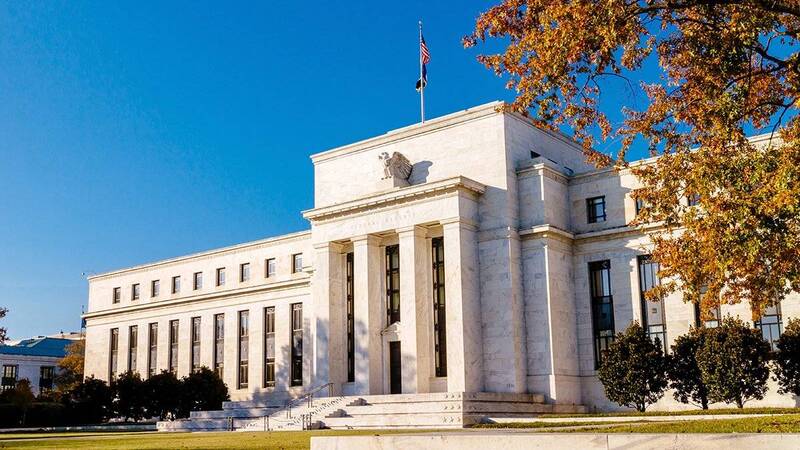
Central banks worldwide are entering a more delicate stage in their battle against inflation, as price pressures begin to ease but economic growth weakens. After years of aggressive interest rate hikes, policymakers are now trying to prevent inflation from returning without slowing already fragile economies. The timing of potential interest rate cuts has become one of the most closely watched debates in global financial markets, adding further pressure on central banks as they attempt to balance economic stability with price control.
Inflation has fallen from peak levels in most advanced economies but remains above official targets. At the same time, growth indicators are softening, forcing central banks to balance inflation control against recession risks.
Interest Rates Remain the Main Policy Tool
Interest rate adjustments continue to be central to inflation control. Higher borrowing costs are designed to curb consumer spending and business investment, reducing demand and easing price growth. However, policymakers are finding it increasingly difficult to predict how quickly those measures will affect inflation.
Read more: Bitcoin reacts to US inflation data as Fed expectations shift
In the United Kingdom, inflation rose to 3.4% at the end of 2025, complicating expectations for near-term interest rate cuts. Although economic growth is slowing and wage pressures are easing, the Bank of England has remained cautious about lowering borrowing costs too quickly. The central bank had already reduced rates earlier, but officials remain concerned about persistent inflation risks. The uncertainty surrounding the pace of future rate cuts continues to shape policy discussions.
Across global markets, central banks are taking different policy paths. The U.S.Federal Reserve is assessing when to begin easing monetary policy, while the European Central Bank has signaled a more cautious approach. Other economies are navigating their own inflation challenges, highlighting increasing divergence in global monetary policy.
The Federal Reserve’s Global Impact
Federal Reserve policy decisions continue to shape financial conditions worldwide. The U.S. dollar’s dominant role in global trade and finance means that changes in U.S. interest rates often affect borrowing costs and capital flows in other economies.
Several central banks have expressed concern about being forced to follow Federal Reserve policy shifts, even when domestic economic conditions differ. Economies with weaker currencies or high external debt are particularly sensitive to changes in U.S. monetary policy, which can tighten financial conditions rapidly. As a result, decisions about potential U.S. rate cuts are closely monitored by policymakers around the world.
Communication Becomes a Policy Instrument
Central banks are also relying more heavily on communication strategies to influence market expectations. Forward guidance has become a key tool for shaping financial conditions before policy changes take effect. Financial markets increasingly react to central bank messaging as much as to actual policy decisions.
However, markets have become more sensitive to changes in policy language. Even minor shifts in central bank tone can trigger volatility across bond, currency, and equity markets.
Read more: Why markets keep their balance even when the news gets messy
Policy Limits Are Becoming Clearer
Recent inflation trends have exposed the limits of monetary policy. Supply chain disruptions, energy price volatility, and labor market changes have driven inflation in ways that interest rate increases cannot fully address.
High global debt levels are also complicating policy decisions. Rising borrowing costs increase financial risks for governments, businesses, and households. Central banks must now weigh inflation control against the possibility of slowing growth or increasing financial instability.
A More Uncertain Outlook
Central banks remain committed to restoring price stability, but the policy path ahead remains uncertain. Inflation dynamics are increasingly influenced by global economic shifts, fiscal policy decisions, and geopolitical developments.
Rather than pursuing aggressive tightening or rapid rate cuts, many policymakers are adopting a more cautious and data-driven approach. As the global debate over the timing and scale of rate cuts continues, central banks face increasing pressure to support economic growth without allowing inflation risks to re-emerge. In a fragile global economy, the fight against inflation is evolving into a broader effort to maintain financial stability while managing persistent economic uncertainty.