

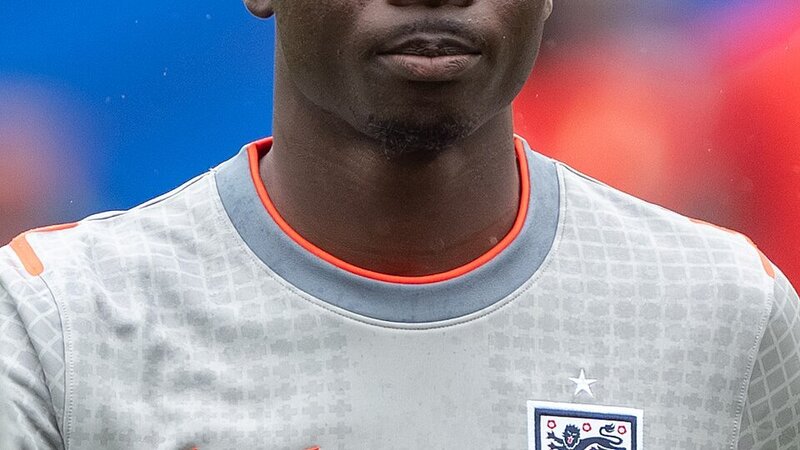
Bukayo Saka earned his first senior England call-up at 19. By 24, he is the highest-paid player at one of the Premier League’s biggest clubs, with a net worth estimated at between $20 million and $30 million by sports finance analysts — with estimates varying by source, depending on how his image-rights company and property assets are valued.
Those numbers have moved quickly. When Saka signed his first major Arsenal extension in 2022, he was earning around $3.6 million a year. By the time he put pen to paper on a fresh four-year deal on February 19, 2026 — confirmed by Arsenal’s official website and worth at least £300,000 a week — his annual salary income alone had crossed $19 million. Career earnings from club contracts alone now approach $50 million in gross terms, according to data from Spotrac. What remains after UK income tax and national insurance — which can take more than 47 pence from every pound at the top rate — forms the core of his personal wealth.
Where Does Bukayo Saka’s Money Actually Come From?
Arsenal’s new contract is the biggest single contributor, but it is far from the whole story. Saka structured his commercial income through BS7 Rights Limited, an image-rights company run by his parents that generated £4.64 million in revenue in 2024 alone — nearly double the previous year. This kind of corporate structure lets top Premier League players route endorsement income at a lower tax rate than salary, a legal and widely used approach among elite footballers.
On the endorsement side, Saka wears New Balance boots, serves as a global ambassador for Burberry, and has deals with Fiverr, Nando’s, Beats by Dre, Call of Duty, and TCL Electronics. Industry estimates put his annual endorsement income at £3–5 million ($3.8–$6.4 million), though official figures are not publicly disclosed.
Combined — salary, image rights, brand fees — Saka is pulling in somewhere between $25 million and $30 million a year in total gross earnings. At 24.
How Saka Built His Fortune by 24
The trajectory is worth mapping. Saka graduated from the Arsenal academy in 2019 at 17, making his professional debut in the Europa League. His initial wages were a fraction of what top-flight players command. By 2022, Arsenal locked him in with an extension, but the real inflection point came when he survived the brutal scrutiny that followed his missed penalty in the Euro 2020 final, returned stronger, and established himself as one of the top five wingers in world football.
The 2023–24 season was his peak in pure performance terms — 20 goals and 14 assists in all competitions. It did not go unnoticed commercially. Premier League salary structures at the very top have inflated sharply since 2022, and Arsenal, flush with Champions League revenue, had every reason to match the market. The February 2026 contract is the result: the highest wage in the club’s history, from an academy product they do not want to lose.
World Cup prize money adds a layer most players do not enjoy. FIFA allocated $48 million in prize money per group-stage participant at the 2026 tournament, with winning bonuses rising sharply through each knockout round. England’s share, if they go deep, flows through the Football Association and is distributed among the squad — typically a meaningful but not transformative addition.
What’s Next for Saka’s Net Worth in 2026 and Beyond?
The forward projection is straightforward: four more years at Arsenal’s current wage — the deal runs through 2030 — generates over $78 million in gross contract income before bonuses. After tax, reinvestment, and commercial income, analysts who track footballer wealth broadly suggest Saka could realistically cross $60–70 million in net worth before 30 — putting him in the same conversation as players who built generational wealth through discipline as much as earnings.
The Burberry partnership signals something important about where his brand is headed. Unlike most footballer endorsements, which skew toward sportswear and energy drinks, luxury fashion ambassadorships tend to anchor a player’s image at a premium tier. It opens doors to higher-value deals later in his career and beyond it.
The World Cup is another accelerant. England games are watched by tens of millions of people in the US, UK, and the broader anglophone world. Every knockout match is another commercial impression. Even coming off the bench for England’s opening games — a precaution after an Achilles issue late in the Arsenal season — Saka delivered an assist against Croatia. When fully fit, he is expected to start. If England go far, his profile climbs further, and his next endorsement cycle reflects it.
At 24, Bukayo Saka is not yet at peak earning power. He is building toward it. That is what makes the numbers today interesting: they represent a floor, not a ceiling.
[1]