
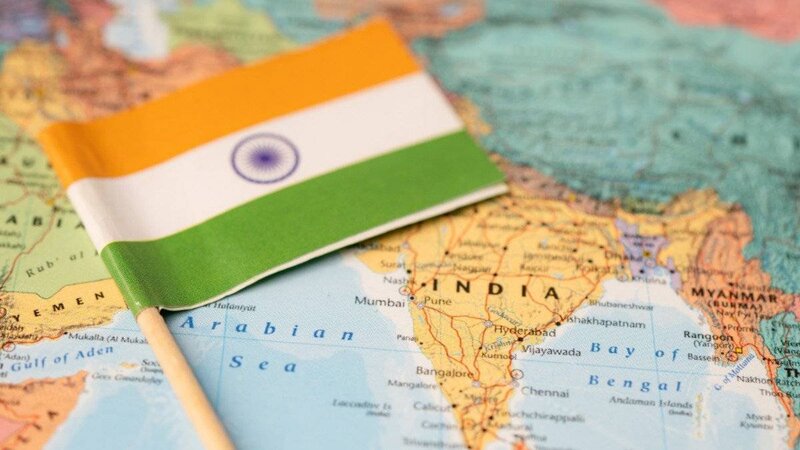
When Washington and New Delhi introduced an interim trade framework earlier this year, it did not feel like a turning point. There was no sweeping free-trade agreement signed in front of flashing cameras, no dramatic rhetoric about a “new era.”
Instead, there was careful language. Tariffs would ease. Energy purchases would expand. Negotiations toward a broader pact would continue.
On paper, it looked procedural.
In reality, it may signal something much larger.
Trade Is Changing — Even If Slowly
For years, global supply chains were built on a simple rule: produce where it is cheapest and most efficient. China became central to that system. Companies relied on its infrastructure, scale and speed.
That model is not disappearing overnight. But it is no longer unquestioned.
The pandemic exposed how fragile tightly concentrated production networks could be. Shipping delays and factory shutdowns forced companies to rethink risk. At the same time, rising geopolitical tensions made economic dependence feel less comfortable.
Governments have since begun talking less about efficiency and more about resilience
That shift in language matters.
Why India Matters Now
India’s role in this evolving landscape is becoming harder to ignore. It remains one of the fastest-growing major economies, with a vast labor force and expanding industrial ambitions. Its domestic market is large, and its political relationship with the United States has gradually deepened over the past decade.
Read more: OECD growth forecasts: which countries are the strongest?
For Washington, closer trade ties with India offer something strategic: diversification without confrontation. Strengthening economic cooperation with India does not require dismantling existing supply chains elsewhere. It simply builds alternatives.
That distinction is important.
Energy Tells Its Own Story
One of the clearest signs of changing alignment lies in energy flows.
In recent years, India increased purchases of discounted Russian oil. That move reflected market realities at the time. But expanded U.S. energy exports to India would represent more than a commercial adjustment. Energy partnerships often signal deeper strategic comfort.
If India gradually shifts part of its energy dependence toward the United States, it reshapes not just trade statistics, but geopolitical relationships.
These changes rarely happen overnight. They unfold through contracts, shipments and incremental shifts.
Not a Final Pact — But a Direction
The framework is interim. A broader trade agreement is still under discussion. Domestic politics in both countries will shape what ultimately materializes. Farmers, industrial groups and labor constituencies all have stakes in the outcome.
Yet even interim agreements can set direction.
Read more: Tariffs are bad policy, but good politics
They tell investors where political will is moving. They signal to companies that certain corridors of trade may become more stable, more supported and more predictable.
Markets pay attention to those signals.
A Gradual Realignment of Supply Chains
Global supply chains are not collapsing or being rebuilt from scratch. China remains deeply integrated into manufacturing networks that took decades to establish. That reality will not change quickly.
But realignment does not require dramatic rupture.
It happens through incremental decisions — an energy contract here, a tariff reduction there, a technology partnership elsewhere. Over time, those small adjustments add up.
The US–India trade framework fits within that pattern. It reflects a world in which trade is increasingly shaped by political alignment as much as by price.
For businesses, that means risk management now includes geopolitics. For policymakers, economic strategy and security strategy are no longer separate conversations.
And for the global economy, it suggests that the supply chains of the coming decade may look more diversified, more deliberate and more strategically aligned than those of the past.
The February framework may not have felt dramatic. But in a world where economic relationships are quietly being recalibrated, it may prove more consequential than it first appeared.