

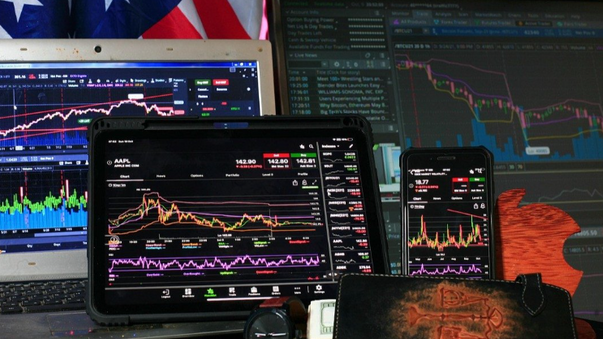
Some market days do not begin with political drama or central bank speeches. They begin with a scheduled release time — 8:30 a.m., 10:00 a.m., sometimes to the second.
An inflation figure. A jobs report. A growth estimate.
The number appears, and within moments bond yields jump, currencies shift and stock futures reverse direction. By the time most people scroll through the headlines, markets have already reacted.
In 2026, economic data does not just inform markets. It moves them.
Markets Trade Expectations, Not Just Facts
The power of a data release lies less in the number itself and more in what investors expected to see. Financial markets are built on forecasts. Traders position themselves based on where they believe inflation, interest rates or growth are heading — not where they are today.
When new data matches those expectations, markets often stay steady. But when reality diverges, even slightly, prices adjust quickly.
A small upside surprise in inflation, for example, can push bond yields higher almost instantly. The logic is straightforward: if prices are rising faster than anticipated, central banks may delay interest rate cuts or even consider tighter policy. That possibility ripples through asset classes — from government bonds to equities and currencies.
It is rarely about the present moment alone. It is about what the number implies for the next decision.
Why “Good News” Isn’t Always Good
Economic strength can sometimes unsettle markets just as much as weakness.
A stronger-than-expected employment report may signal resilience. But if wage growth appears too strong, investors may worry that inflation pressures will persist. Stocks that initially rally can reverse course within minutes as traders reassess interest rate expectations.
Markets are not judging whether the economy is “good” or “bad.” They are recalibrating probabilities.
Read more: Tariffs are bad policy, but good politics
The same applies to growth figures. A modest miss can reignite recession concerns. A slight beat can reduce expectations of imminent rate cuts. In both cases, asset prices adjust not because the economy changed overnight, but because the narrative did.
Speed Changes Everything
In previous decades, markets reacted to economic data quickly. Today, they react almost instantly.
Read more: Insight: winners and losers of the 4.25% ECB rates
Algorithmic trading systems scan headlines the moment they are released, comparing the actual number to consensus forecasts. Trades are executed in fractions of a second. Human traders then reassess positions, adjust exposure and manage risk.
By the time analysts begin interpreting the report on television, markets have already priced in an initial reaction.
That speed does not make markets irrational. It makes them sensitive.
Why It Matters Beyond Trading Floors
The volatility surrounding a data release may seem confined to financial screens. But the effects travel further.
Bond yields influence mortgage rates. Corporate borrowing costs move with interest rate expectations. Pension funds and investment portfolios respond to shifts in equity and fixed-income markets.
When a single inflation report nudges yields higher, it can indirectly affect loan pricing. When a weak growth figure shifts expectations toward rate cuts, it can influence currency values and capital flows.
Households may not watch the data release live. But they live with the consequences.
A Reflection of Uncertainty
Recent months have highlighted how sensitive markets remain. Even modest deviations between forecasts and actual figures have triggered sharp swings. That does not necessarily signal instability. It reflects uncertainty.
Investors are navigating an environment shaped by lingering inflation concerns, uneven growth and ongoing debates over the timing of interest rate adjustments. In such a climate, each data release becomes a checkpoint.
Does the economy confirm the prevailing story? Or does it challenge it?
When the answer shifts, prices move.
More Than Just a Statistic
Economic data can appear technical and abstract. But in modern markets, numbers carry narrative weight.
They shape expectations. They influence policy assumptions. They recalibrate risk.
That is why a single release — delivered at a precise moment — can ripple through global markets within seconds. It is not the statistic alone that matters. It is what the statistic changes.
In a world where markets trade on anticipation, even a small surprise can shake confidence — or restore it.


