

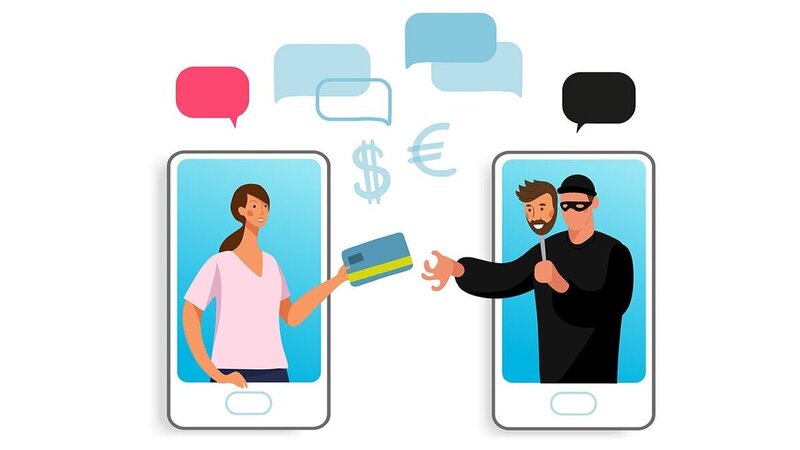
The text looks official. It is not.
Across the country, Americans are getting short messages claiming they owe a small unpaid toll — usually just a few dollars — with a link to “pay now” before late fees pile up. The message may name a real toll program. It may even threaten to suspend your vehicle registration. And according to the Federal Trade Commission, it is almost certainly a scam.
The FTC laid out the scale of the problem in a consumer alert published May 7, 2026. Imposter scams were the agency’s number one fraud category for the ninth year in a row. In 2025, the FTC received more than 1 million reports of imposter scams, with reported losses climbing nearly 20% to $3.5 billion [1].
One slice of that total is growing especially fast. Reports of government imposter scams jumped 40% in 2025 — and the FTC says fake toll messages are a big reason why.
How the fake toll scam works
The setup is simple, and that is the point. You get a text out of the blue. It says you have an overdue toll balance, often something small and believable — just a few dollars. It includes a link and a deadline.
Tap the link and you land on a page that looks like a real toll authority’s website. The FTC says these messages often spoof genuine programs — italicoE-ZPass, SunPass, FasTrak/italico and italicoTxTag/italico — to seem credible. Enter your card number to “settle the balance” and you have not paid a toll. You have handed your payment details to a criminal.
This is a form of italicosmishing/italico — phishing carried out by text message. If you want the full mechanics of how text-based fraud works, our explainer on smishing and how to protect yourself breaks it down step by step.
How to spot a fake toll text
The good news: these messages give themselves away if you know what to look for. Watch for these red flags:
- You did not drive a toll road. If you have not been near a toll recently, the message is almost certainly fake.
- The link looks wrong. Real toll agencies use italico.com/italico or italico.gov/italico addresses. Scam links use odd spellings, extra hyphens, or unfamiliar endings.
- The text creates urgency. Threats to add late fees or suspend your registration “today” are pressure tactics. Real agencies do not chase overdue tolls by text in minutes.
- The sender looks off. Messages from an email address, or from a phone number with the wrong number of digits for a US line, are a giveaway.
- The amount is small. Scammers keep the figure low — a few dollars — because you are more likely to pay without thinking.
Urgency is the common thread. Across nearly every scam category it tracks, the FTC says the pressure to act italicoright now/italico is the most reliable warning sign.
What to do if you get one
The FTC’s advice is short and specific. Do not tap the link. Do not reply.
If you genuinely are not sure whether you owe a toll, contact the toll agency directly — using a phone number or website you look up yourself, never the contact information in the text. “Reach out to the state’s toll agency using a phone number or website you know is real,” the FTC writes. “Don’t use the information from the text.”
Then get rid of the message. You can report unwanted texts by forwarding them to 7726 — the shortcode that spells “SPAM” — use the “report junk” option in your messaging app, and file a report at ReportFraud.ftc.gov. Those reports, the FTC says, help investigators build cases against scammers.
Toll texts are one piece of a bigger problem
Fake toll messages are the loud, high-volume version of a tactic that runs much deeper. The same imposter playbook drives fake-IRS calls, phony Social Security warnings and romance scams that slowly steer victims toward bogus investments. The FTC says romance-scam losses rose 22% in 2025.
Criminals are also pairing text scams with other channels. A toll text might be followed by a phone call — sometimes using AI to clone a familiar voice. We covered that escalation in our look at the AI scam that mimics your boss’s voice, and the investment version of the con turns up constantly in WhatsApp messages posing as major banks.
The defense is the same across all of them. Slow down. Verify through a channel you trust. And treat any unexpected demand for money or card details — toll, tax, bank or otherwise — as a scam until you have proven it is not.
Have you received a fake toll text recently? The safest move is also the simplest one: delete it, and check your toll account the way you always have.
italicoSource: Federal Trade Commission, “New trends in reports of imposter scams,” May 7, 2026./italico