

Here’s What You Need to Know. With about 30 days to kickoff on June 11, the 2026 FIFA World Cup is on track to be the most expensive tournament in history for fans who want to be in the stadium. Face-value tickets currently range from $60 to $10,990. The average total cost for a US fan to attend a single match — ticket, two nights of hotel, flights, food and sightseeing — is roughly $5,440, with Boston the most expensive host city at $7,589 and Seattle the cheapest at $3,287. And on May 8, FIFA tripled the price of its best available final tickets to $32,970, with resale listings on its own marketplace topping $11 million.
This is what dynamic pricing looks like when it meets the biggest sporting event ever held on US soil.
How Much Are 2026 World Cup Tickets, Really?
There is no single “ticket price” anymore. FIFA has, for the first time in World Cup history, adopted dynamic pricing — the same model airlines use, where prices float in real time with demand, opponent, city and seat category.
On the official FIFA platform, group-stage tickets currently range from about $380 to $4,105. Roughly 25% of group-stage seats are still available below $300, and FIFA has carved out a limited tier of $60 “fan tickets” across all 104 matches as a concession to backlash. Round-of-16 tickets start higher; quarterfinals and semifinals climb fast.
The final at MetLife Stadium in East Rutherford, New Jersey, on July 19 is the headline number. Original face value ran from $1,490 (Category 3) to $10,990 (Category 1), plus a 15% FIFA service fee. Then, on May 8, FIFA released a fresh batch of “best available” final tickets at $32,970 — roughly triple the previous official top price. FIFA does not control resale listings, but on its own exchange marketplace, single final tickets have been listed at over $11 million. On StubHub, the cheapest final seats currently start near $5,600.
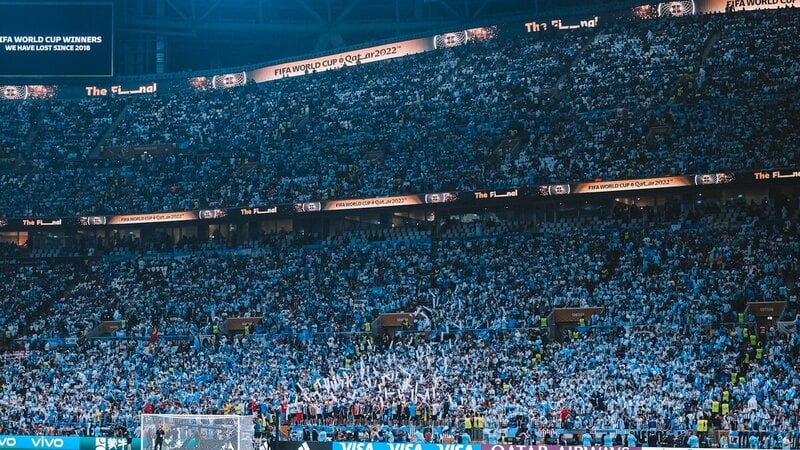
For perspective, the most expensive ticket for the 2022 Qatar final was about $1,604. The 2026 final is therefore running at roughly 20 times the cost of the last World Cup final, just four years ago.
Why Did the Final Just Jump to $32,970?
Two reasons, both pure economics.
First, demand is far outrunning supply. FIFA expanded the tournament from 32 to 48 teams and from 64 to 104 matches, but the final is still one match in a stadium that seats about 82,500. Demand from corporate hospitality, international travelers and US-based diaspora communities has been at record levels since the December 2025 draw.
Second, FIFA has been openly testing what the US market will absorb. President Gianni Infantino, defending the pricing on May 6, said tickets were simply being priced at “US market rate” — comparable, in his framing, to a Super Bowl seat. A bipartisan US House letter sent to him on May 7 challenged that logic, arguing dynamic pricing turns a global sporting event into a speculative asset. FIFA has not backed down. The 15% buyer fee plus 15% seller fee on the official resale marketplace means FIFA gets paid twice on every secondary trade — a structural incentive to let the secondary market run hot.
For context on the kind of money that flows through this sport at the top end, the highest-paid athletes in the world list is still dominated by soccer, with Cristiano Ronaldo earning over $260 million in 2025 alone. The World Cup is the showcase. The tickets are now priced accordingly.
What’s the Total Cost for a US Fan to Attend One Match?
A ticket is the down payment. The full trip is where the real number lives.
According to a recent SoFi analysis built around the 16 host cities, the average total cost for a US fan to attend a single match — covering one ticket, two nights of hotel, round-trip travel, food and basic sightseeing — comes in at about $5,440. The spread between cities is wide:
- Boston — about $7,589, the most expensive host city
- New York / New Jersey — close behind, driven by MetLife and Manhattan hotel rates
- Los Angeles, Miami, San Francisco — high-$5,000 to mid-$6,000 range
- Atlanta, Dallas, Houston, Kansas City, Philadelphia — closer to the national average
- Seattle — about $3,287, the cheapest of the eleven US host cities
A family of four chasing the USMNT through the group stage in three different host cities is realistically looking at a five-figure summer.
Hotels, Flights, Parking: Where the Real Bleed Is
The ticket is the visible number. The travel surcharges are doing most of the damage.
Hotels. Average room rates in 2026 host cities have jumped more than 300% versus the same week in 2025 after the December 2025 group draw locked in which teams play where. Airbnb spikes are sharpest in Boston and Kansas City.
Flights. Domestic US fares for match weekends are already running 2 to 3 times normal rates. Transatlantic fares into New York, Los Angeles and Miami have surged more than 300% versus the pre-draw baseline.
Parking. At several venues, an official FIFA parking spot now costs more than a group-stage ticket. Several lots for the final at MetLife are already sold out at any price.
Food and the in-stadium add-ons. FIFA hospitality packages, which bundle a premium seat with meals and lounge access, start at roughly $3,500 per match and run to over $25,000 for the final.
If you are coming from outside the host city, the rule of thumb is simple: budget at least 1.5 to 2 times the face value of your ticket in travel and lodging on top.
Is There Any Way to Go for Less Than $1,000?
Yes — barely. The cheapest realistic trip is a group-stage match in Kansas City, Houston, Dallas, Atlanta or Seattle, bought at a $60 fan-tier ticket (if you can grab one), driven to from within a 4-hour radius, with a single budget hotel night. That puts the total in the $400 to $900 range per person.
Anywhere east of the Mississippi, anything involving the knockout rounds, or anything in Boston or New York, the floor is closer to $2,000 per person — and that is before you spend a dollar inside the stadium. For a tournament-wide view of which matches go where, the groups, schedule and host cities guide is the cheapest place to plan around.
The Bottom Line
The 2026 World Cup is two events stacked on top of each other. One is a sporting tournament that will draw 4 to 5 million fans in person and well over a billion on television. The other is a real-time experiment in how far dynamic pricing can stretch the cost of a single sporting moment — with the stars at the top of the soccer pay pyramid cashing some of the biggest checks in the sport’s history at the same time.
For most US fans, the smart play is the same as it is in any other market that runs on dynamic pricing: buy early, avoid the headline match, pick the cheaper city, and treat hotel and flight as the line items that actually decide whether the trip is a $1,000 weekend or a $10,000 vacation. Boston Consulting Group estimates the tournament will add $5 to $6 billion in incremental GDP across North America. A good chunk of that is going to come straight out of fans’ pockets.
Where are you watching the 2026 World Cup from — a host-city stadium, a sports bar, or the couch? Tell us in the comments.
Sources: FIFA.com official ticketing platform and May 8, 2026 release on category 1 final ticket pricing. ESPN reporting on the $32,970 best-available final tier and Infantino May 6 press conference. Al Jazeera and PBS NewsHour coverage of dynamic pricing controversy and the May 7 US House letter. SoFi analysis on per-fan total cost by host city. Upgraded Points 2026 World Cup Costs survey. Boston Consulting Group economic impact estimate for North America, December 2025.