

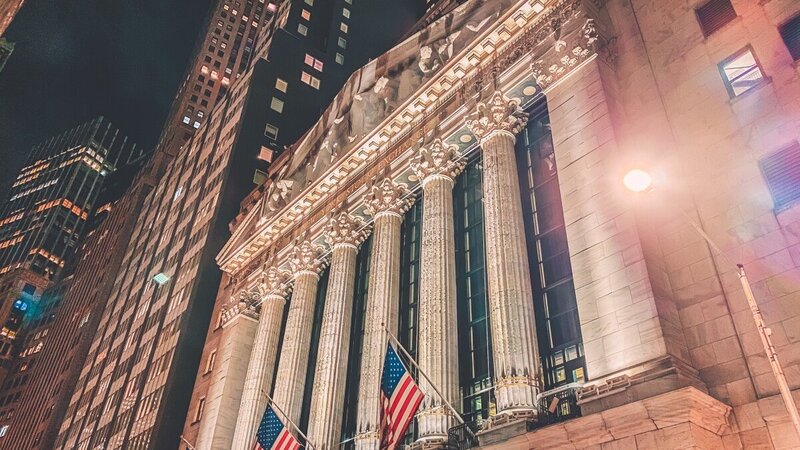
U.S. stock markets are closed today.
Friday, June 19, 2026, is Juneteenth National Independence Day, a federal holiday, and Wall Street is taking the day off. The New York Stock Exchange and the Nasdaq are both shut for the session, with no regular trading in U.S. stocks. The opening bell rings again Monday, June 22, at the usual 9:30 a.m. Eastern time.
The bond market is closed as well. The Securities Industry and Financial Markets Association (SIFMA), which sets the calendar for fixed-income trading, “recommended a full market close” for U.S. dollar-denominated government and corporate bonds on Juneteenth. That means no cash Treasury trading today either. Both stocks and bonds return to a normal schedule Monday.
Juneteenth 2026 market schedule at a glance
- Stocks (NYSE, Nasdaq): Closed all day Friday, June 19. Reopen at 9:30 a.m. ET Monday, June 22.
- Bond market: Closed on SIFMA’s recommendation. Reopens Monday.
- Stock index futures (CME Globex): Trade overnight but close early, halting at 1:00 p.m. ET (12:00 p.m. CT).
- Treasury futures and many options: Closed for the day, with no Friday session.
Active traders should watch that futures cutoff. CME Group set an early halt for its equity index contracts at 1:00 p.m. ET, several hours before a normal session would end, so any overnight positions need to be managed before then. It is a partial day rather than the round-the-clock trading futures investors are used to. Wall Street’s regular trading hours and holiday closures resume in full on Monday.
Why Juneteenth closes Wall Street
Juneteenth marks the day in 1865 when news of emancipation reached enslaved people in Galveston, Texas. It became the newest U.S. federal holiday in 2021, and the major exchanges added it to their holiday calendar the following year. When a federal market holiday falls on a weekday, the NYSE and Nasdaq close for the full session, the same way they do for Memorial Day or Labor Day.
Banks and government offices are also shut, and there is no mail delivery. Most of the financial plumbing that investors rely on simply pauses for 24 hours before picking back up.
A quiet end to a busy week
The break comes after an eventful stretch for markets. On Thursday, June 18, the benchmark S&P 500 rose 1.08% to close at 7,500.58, while the tech-heavy Nasdaq gained nearly 2% as chipmakers led a broad rebound. Easing tensions in the Middle East, after the U.S. moved to end its blockade of Iran, helped lift risk appetite into the holiday. Investors wary of how top-heavy the index has become sometimes look to broad funds that trim the largest tech weights, such as these S&P 500 ETFs without the Magnificent 7.
That rally followed Wednesday’s Federal Reserve decision. At Chair Kevin Warsh’s first meeting in charge, the Federal Open Market Committee voted 12-0 to hold the federal funds rate steady at 3.50% to 3.75%. The surprise was the tone: the updated “dot plot” turned hawkish, with the median projection now putting rates at roughly 3.8% by the end of 2026, up from 3.4% in March, and nine of 18 officials penciling in at least one rate hike this year. That marks a sharp turn away from the rate cuts markets had been pricing in, and a reversal of the gradual easing many had expected from the Fed’s monetary policy tools.
What to Watch Monday
When trading resumes Monday, attention shifts back to the economic calendar. The headline event is the May reading of the Personal Consumption Expenditures (PCE) price index, the Fed’s preferred inflation gauge, due Thursday, June 25. With policymakers signaling they are in no hurry to cut, and a meaningful bloc now leaning toward a hike, every inflation print carries added weight for both stocks and bonds.
Treasury yields will also be back in focus after the post-Fed jump, along with any fresh headlines on the Middle East truce and oil prices. For now, though, the tape is quiet. The next opening bell rings Monday morning, June 22.