

If you ask a billionaire how to get rich, the answer is almost always the same: investments, market analysis, leadership, an appetite for risk, and a great deal of hard work. Mark Cuban, however, will simply tell you: «Live like a student».
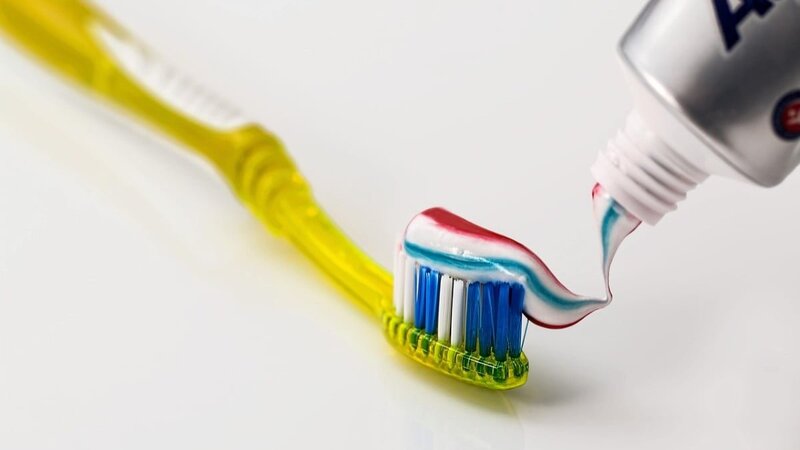
In a 2010 interview with Forbes, the billionaire was asked what he would do with $100,000. His answer mentioned neither cryptocurrencies nor stocks. It mentioned toothpaste. And sixteen years later, that advice is more relevant than ever.
Who is Mark Cuban?
Cuban is an American billionaire entrepreneur and investor, best known for selling his startup Broadcast.com to Yahoo in 1999 for $5.7 billion. With that money he bought the Dallas Mavericks, the NBA team that won the league championship in 2011. He was one of the «sharks» on the popular television show Shark Tank, where he invested in startups. More recently he founded Cost Plus Drugs, a platform that sells medicines at transparent, reduced prices, taking on the American pharmaceutical industry.
Mind the money you spend every day
«First I’d pay off all my credit card debt and look at whether to clear the rest of my debt too», Cuban told Forbes — before surprising everyone by adding:
«The rest I’d put in the bank».
The reasoning is simple: to be ready when an opportunity comes along. Cuban is convinced that financial flexibility beats short-term yield. The next step, though, is to draw up a shopping list. His advice is to analyze your annual budget, identify the heaviest recurring expenses, and figure out how to cut them.
Stocking up on products when they are on sale, he explains, can save between 30% and 50%.
«I try to get the most value out of that money. It’s the best guaranteed return on investment you’ll find anywhere», he said.
The logic is about as elementary as it gets. If you have to buy toilet paper, shampoo, and detergent anyway, it makes more sense to stockpile them when prices are lowest. No risk, no volatility. Just a saving banked in advance.
The inflation you don’t see — but that’s there
In Italy, annual inflation in March 2026 stood at 3.2%, according to ISTAT, the national statistics agency, with personal-care products — toothpaste, shampoo, shaving items — among the categories climbing steadily. Consumer-goods giants such as Procter & Gamble and Colgate-Palmolive have already warned investors that they are seeing pressure on revenue tied to tariffs and rising production costs, which points to further price increases on the shelf.
The habit of stocking up is no stranger to household culture — think of winter preserves, the bottles of olive oil bought by the case in autumn, the coffee picked up in bulk when the price drops. Extending that logic to everyday hygiene products means applying the same principle to expenses that would otherwise renew every month at full price.
Most consumers do not track the rising price of toothpaste with the attention Wall Street devotes to quarterly earnings — but the household budget feels it all the same.
«When you see a sale, you’re better off buying two years’ worth of toothpaste at 50% off. It’s an immediate return on your money», Cuban told Vanity Fair.
Live like a student, invest like a billionaire
Toothpaste is only the foundation of a much broader philosophy. «The first thing you have to do is live like a student», Cuban repeats.
His advice also includes building an emergency fund equal to at least six months of income, to be set aside before considering any more complex investment. Only then would the billionaire invest in an S&P 500 index fund — the cheapest one available. For those with a higher appetite for risk, no more than 10% in Bitcoin or Ethereum, but with the awareness that they could lose it all.
Cuban is not the only advocate of this strategy. Financial advisers repeat it often: small recurring expenses can quietly erode wealth, year after year, especially when prices rise steadily. A discount on something the household would have bought anyway delivers an immediate, predictable return — unlike many investments in the stock market.
Editor’s note
This article was originally published in Italian on money.it by Donato De Angelis on May 24, 2026 as «Un miliardario ne è convinto: meglio comprare il dentifricio in offerta che investire in Borsa». It has been translated and adapted for an international audience by the Money.it International desk.