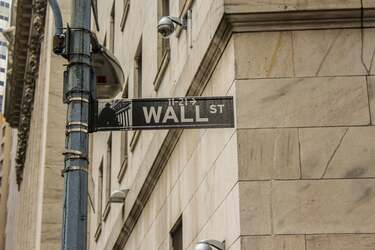
Wall Street is back to work after a three-day weekend, and the early signal from the futures market is constructive. As of the pre-open on Tuesday, May 26, 2026, S&P 500 futures were up about 0.7%, Nasdaq-100 futures advanced 1.1% and Dow Jones Industrial Average futures climbed 234 points, or 0.5%. The move follows a Friday session in which the S&P 500 closed at 7,473.47, extending its winning streak to eight straight weeks — the longest since late 2023 — and the Dow set a new record close.
The overnight catalyst was geopolitical, not economic. Traders pointed to renewed signals that Washington and Tehran could be moving toward a deal to end the ongoing war, a development that would, at the margin, take a risk premium out of crude oil and U.S. equities alike. The picture is mixed, however. The U.S. military said it «conducted self-defense strikes in southern Iran today», targeting vessels allegedly trying to deploy mines and missile launch locations to «protect our troops from threats posed by Iranian forces». Iran, in turn, vowed retaliation against what it called ceasefire violations.
The crude tape reflected that ambiguity. July Brent crude rose 3.4% to about $99.39 a barrel in early London trade, even as some U.S. WTI quotes moved in the opposite direction during the holiday lull — a reminder that oil pricing across contracts and venues can decouple sharply when liquidity is thin and headlines are fast.
What’s on the U.S. economic calendar today
Tuesday brings two prints that should set the tone for the open and for the rest of the session:
- 9:00 a.m. ET — S&P CoreLogic Case-Shiller Home Price Index (March 2026). The 20-City Composite rose 0.9% year-over-year in February, the slowest annual pace since July 2023, with mortgage rates near 6% continuing to weigh on transaction activity. According to S&P Dow Jones Indices, «mortgage rates near 6% continue to weigh on affordability and transaction activity, holding nominal price growth below inflation». A further deceleration in the March release would reinforce the view that the housing market is cooling without breaking.
- 10:00 a.m. ET — Conference Board Consumer Confidence (May 2026). April’s reading edged up 0.6 points to 92.8, while the forward-looking Expectations Index rose 1.2 points to 72.2. That Expectations sub-index is the one to watch: it has been below 80 — the threshold the Conference Board flags as historically consistent with a recession within a year — since February 2025. Another print below 80 would keep that warning light flashing, especially with consumers already absorbing higher gasoline prices from the Iran conflict.
What to watch the rest of the week
The data calendar gets heavier as the week progresses, and the macro punchline lands Thursday.
- Wednesday, May 27: Salesforce (CRM) earnings, after the close. The Street consensus is around $11.06 billion in Q1 fiscal 2027 revenue, in line with the company’s own guidance of $11.03 billion to $11.08 billion. Investors want a cleaner update on whether Agentforce is generating incremental revenue beyond the free tier. Salesforce had reported about $800 million in Agentforce annual recurring revenue at the end of fiscal Q4, up 169% year-over-year — a number that will need to keep growing fast to justify the stock’s AI premium.
- Thursday, May 28: a double-header — BEA’s April Personal Income and Outlays at 8:30 a.m. ET, then Costco (COST) earnings after the close. The PCE release is the headline event. The Federal Reserve targets 2% on the PCE price index, and the most recent reading had the headline PCE running at a 3.5% annual rate, pushed up in part by higher energy costs tied to the Iran war. Anything that keeps PCE stuck in the mid-3% range complicates the Fed’s path back to its target rate and tempers expectations for cuts later this year. Costco, meanwhile, will give a real-time read on the U.S. consumer: the Street is looking for fiscal Q3 revenue of roughly $69.3 billion, up about 9% year-over-year, and adjusted EPS near $4.56. Same-store sales and membership renewal rates are the metrics to watch.
Rates, currencies and the bond market
The 10-year U.S. Treasury yield ended Friday around 4.56%, little changed on the week. Yields drifted lower into the long weekend as some haven demand crept back on Middle East headlines. With Treasury futures and overseas bonds active during the U.S. holiday, expect the cash market to open Tuesday with some pent-up repricing — particularly if Tuesday’s data prints push the consumer story in either direction. For investors trying to make sense of how those moves translate into portfolio returns, the relationship between bond prices and yields matters more than the headline yield itself, and a basic primer on how bond yields are calculated is a useful refresher.
The dollar index has been trading in a narrow band, with crude-driven inflation worries broadly offsetting safe-haven demand. A softer Consumer Confidence print this morning could nudge the dollar weaker and put a small bid back into rate-sensitive growth stocks.
Asia close, Europe pre-open
Asia was mixed overnight. Japan’s Nikkei 225 finished 0.25% lower at 64,996.09 as traders took profits, while Hong Kong’s Hang Seng was little changed in choppy trade after a Monday holiday. South Korea’s Kospi pushed to a fresh record as trading resumed post-holiday, China’s CSI 300 added 0.53% to 4,947.85, and Australia’s S&P/ASX 200 slipped 0.39% to 8,657.80. European indexes opened modestly higher, in line with the move in U.S. futures.
The narrowness of the U.S. rally remains a concern flagged by strategists for weeks. A small cluster of mega-cap tech names that now drive most of the index’s gains continues to do the heavy lifting, while breadth has lagged. For long-term investors uncomfortable with that concentration, building a more diversified ETF core remains the standard, unglamorous fix.
What to Watch for the Open
Three things should anchor the tape today:
- Geopolitics: any further headlines on U.S.-Iran negotiations or fresh military action will move oil first and risk assets second.
- Consumer Confidence at 10 a.m. ET: a sub-90 print would revive growth concerns; an upside surprise would extend the equity-friendly «soft landing» narrative.
- Breadth and leadership: with the S&P 500 inches from the records the Dow hit Friday, watch whether today’s rally is led again by the BATMMAAN cohort or by the cyclicals and small caps that have lagged. A broader move would be the healthier signal heading into Thursday’s PCE print.
[1]