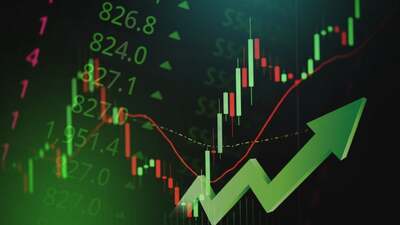
US stock futures wobbled early Wednesday as oil prices pushed toward $100 a barrel. The move follows a rough Tuesday on Wall Street, when the Dow Jones Industrial Average tumbled 628.18 points, or 1.18%, to close at 52,786.07 — its second straight losing session after a 272-point drop on Friday. The S&P 500 fell 0.58% to 7,673.52, and the Nasdaq Composite slipped 0.32% to 26,421.41.
By early Wednesday, futures were mixed rather than falling further. Dow futures slipped just below the flat line, S&P 500 futures traded near it around 7,683.75, and contracts on the Nasdaq-100 gained roughly 0.2%, near 29,580. The muted bounce suggests traders are digesting Tuesday’s selloff rather than reversing it outright.
Behind the pressure is a widening conflict in the Middle East. US forces struck five Iranian oil tankers this week, part of the broader fighting around the Strait of Hormuz that has kept energy markets on edge for months. Brent crude, the international benchmark, traded near $99 a barrel Wednesday — its highest level since late July — while US benchmark WTI crude stood around $94. Brent has climbed sharply from around $72 a barrel in early July, as fighting in the region keeps the global flow of oil constricted.
That’s rekindling a debate few expected this year: whether the Federal Reserve’s next move is a hike, not a cut. Traders now see about a 60% chance of a 25 basis point increase at next week’s meeting, according to CME Group’s FedWatch tool — up from roughly a third of that probability in late August, before Fed Chair Kevin Warsh’s Jackson Hole speech reset how markets read the central bank’s reaction function. Inflation concerns are taking priority this week, with fewer earnings reports on the calendar to compete for investors’ attention.
The rate debate is unfolding against a fiscal backdrop that Treasury Secretary Scott Bessent addressed directly on Tuesday. Speaking at Southern Methodist University’s Cox School of Business, Bessent argued the US can outgrow its debt burden without deep spending cuts: «We don’t have a revenue problem. We have a spending problem,» he said, adding that sustained 3% GDP growth could let the country grow its way out of the shortfall. The national debt recently surpassed $40 trillion, and the annual fiscal deficit is projected to top $2 trillion by the end of the fiscal year on September 30.
Wednesday’s economic calendar is thin, following last week’s stronger-than-expected August jobs report, which showed nonfarm payrolls up 162,000 — nearly triple forecasts. Retailers Chewy (CHWY) and American Eagle Outfitters (AEO) report quarterly results before the bell, offering an early read on consumer spending heading into the holiday season.
Away from the macro data, Apple kicks off its “Surprise and Shine” event at 10 a.m. Pacific Time, unveiling the iPhone 18 Pro, the iPhone 18 Pro Max and a foldable model widely expected to be branded the iPhone Ultra. It is also the first keynote led by new Apple CEO John Ternus, who succeeded Tim Cook on September 1 as Cook moved into the role of executive chairman.
What to Watch for the Open
- Oil above $100. A sustained break above the century mark would revive the inflation conversation just as the Fed weighs a hike — the least convenient timing for a market still pricing in a comfortable pause.
- The 60% hike odds. Any incremental move in CME FedWatch pricing today will likely move equities and the dollar more than the actual news flow does.
- Consumer read-through. Chewy and American Eagle’s guidance will be parsed for early signs of how shoppers are responding to elevated gas prices heading into fall.
- Apple’s keynote. Watch the initial reaction in AAPL shares to pricing on the foldable model — historically, the more expensive the device, the more skittish the stock on launch day.
- The VIX. A reading that holds below 16 would suggest Tuesday’s selloff was a one-day event rather than the start of a deeper repricing.
None of this resolves before the opening bell. But the through-line has been the same one driving markets for months: as long as the fighting around the Strait of Hormuz keeps oil elevated, the Fed’s rate path — not earnings season — will set the tone on Wall Street.