Guyana was for decades one of the poorest countries in the Americas. Today it is one of the richest, with GDP per capita of about $32,000 (roughly €28,500).
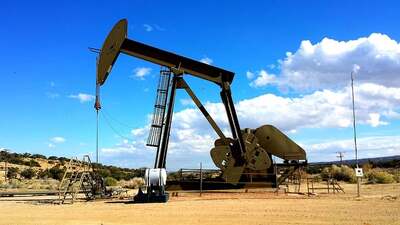
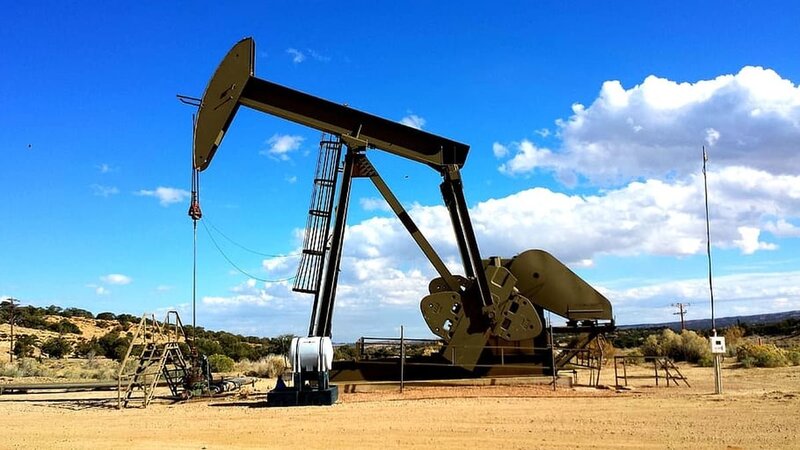
The reason for this boom is the discovery, in 2015, of immense oil deposits off its coast. With the outbreak of the war in Iran in early 2026, those fields have turned Guyana into one of the biggest beneficiaries of the global energy crisis.
The flip side is that much of the population has yet to see the benefits of this new wealth.
Profiting from war
The conflict in the Middle East appears far from over, and the risk of escalation is always around the corner. That scenario is putting energy supplies under pressure and bringing many economies to their knees.
Guyana is not among them. The country began pumping oil in 2019 and is expected to collect around $6.5 billion in public revenue from fossil fuels this year, with GDP growing 33% in the first half of 2026.
The combination of high prices and growing international demand for suppliers far from the routes affected by conflict has made Guyanese crude one of the most sought-after in the world.
The country now produces about 900,000 barrels per day and is expected to reach capacity of 1.7 million by 2030. According to experts, its per capita oil reserves are second only to those of Kuwait.
A country of contrasts and weak spots
As often happens in countries growing this fast, Guyana still faces enormous problems and sharp inequalities in how wealth is distributed.
The New York Times wrote about it a few days ago, describing a capital, Georgetown, where cars such as Lamborghinis and Ferraris speed past crumbling roads, dilapidated houses and open drainage canals.
Infrastructure is not the only issue. GDP growth has brought major real estate developments, international events and festivals, but it has also pushed up housing prices and fueled discontent over how the wealth is shared.
The government has promised that the new resources will fund infrastructure, free university education and cash bonuses of about $500 for citizens. Many, however, denounce the concentration of resources in the hands of small elites and serious shortcomings in public services.
The future remains uncertain
Guyana’s rapidly growing wealth runs into a fundamental problem: the lack of refineries able to turn crude into fuel. The country still has to import gasoline and diesel, which leaves it exposed to the same energy-market swings that fueled its boom.
This is where the government’s challenge lies. Building the necessary infrastructure and achieving energy self-sufficiency will be a decisive step, but it will not be enough on its own to keep oil wealth from becoming a multiplier of inequality, inflation and corruption.
Editor’s note
This article was originally published in Italian on money.it by Andrea Fabbri on October 03, 2026 as «Da Paese povero a gigante del petrolio. La Guyana si arricchisce con la crisi energetica». It has been translated and adapted for an international audience by the Money.it International desk.