

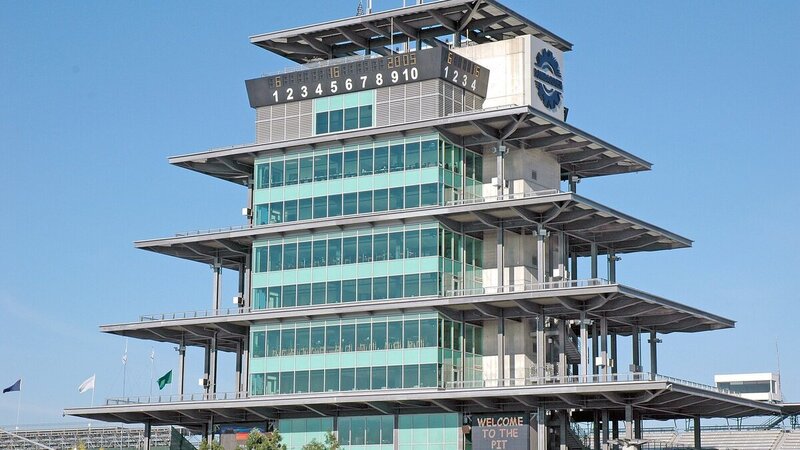
The Indianapolis 500 is back on Sunday, May 24, 2026, and the Brickyard is once again the richest one-day stage in American open-wheel racing. The 110th Running of the race is scheduled to take the green flag at 12:30 p.m. ET on FOX and FOX One, with the pre-race show beginning at 10:00 a.m. ET.
The official 2026 purse will not be announced until the Victory Celebration on Monday, May 25, but the trajectory is hard to miss: the total prize pool has set a fresh record in each of the last four years, climbing from $16,000,200 in 2022 to $20,283,000 in 2025, according to INDYCAR. That’s a 27% jump in just three seasons.
How big could the 2026 purse be?
INDYCAR has not published a 2026 target, but the math from recent years gives a usable floor. The 2025 total of $20.28 million was the fourth consecutive record, breaking the prior all-time high of $14.4 million set back in 2008. The average year-over-year gain since 2022 sits around 8%. Apply that to last year’s figure and the 2026 purse could land somewhere between $21 million and $22 million, before any bonus categories announced in race week.
One number we already know: the Firestone Fast Six pole shootout pays $100,000 to the driver who wins it. That bonus alone is on top of the standard qualifying awards and applies whether or not the pole sitter goes on to win the race itself.
What does the winner actually take home?
In 2025, Alex Palou earned $3.8 million as the first-time Indy 500 winner, the largest single check ever paid out at the Speedway. The winning team — Chip Ganassi Racing — splits that purse with the driver based on its internal contract.
The previous year, Josef Newgarden took home $4.3 million for back-to-back wins, but that figure included a $440,000 rollover bonus from BorgWarner specifically tied to consecutive victories. Strip out the bonus and the underlying winner’s share was closer to $3.85 million — almost identical to what Palou collected.
In other words: the headline number a fan sees on Memorial Day weekend depends heavily on whether the winner is a repeat champion (BorgWarner bonus), a rookie (Rookie of the Year supplement), or simply the first to cross the bricks under regular conditions.
What about the other 32 cars in the field?
The Indy 500 pays everyone who starts, and that is a big part of why drivers fight so hard for the final spots on the grid. In 2025 the average payout across all NTT INDYCAR SERIES drivers in the race was $596,500, up from $543,000 in 2024.
Rookie of the Year honors carry a separate $50,000 bonus. Last year that went to Robert Shwartzman of PREMA Racing, who also won the pole — a combination that pushed his total Month of May take-home to $327,300 even though he did not finish on the podium. According to INDYCAR’s own release, the purse is built from a combination of Indianapolis Motor Speedway awards, NTT INDYCAR SERIES awards, and designated special awards from sponsors like BorgWarner, Firestone, and PPG.
How does the Indy 500 compare to NASCAR and Formula 1?
Despite the recent records, the Indy 500’s purse still trails the Daytona 500, NASCAR’s marquee race, which has historically distributed north of $25 million. The gap closes when you look at the winner’s share alone — Palou’s $3.8 million was within striking distance of what the Daytona 500 winner typically banks.
The comparison gets even more interesting against Formula 1 prize money, where individual race wins do not pay a direct check at all. F1 teams instead share an end-of-season pool based on Constructors’ Championship position. That makes the Indy 500 a structural outlier: it is one of the very few elite motorsport events where a single afternoon’s work can produce a multi-million-dollar prize for the driver and team.
For broader context on how top-tier sports prize pools are built, see our breakdown of the Champions League prize money and our look at the 2026 Miami Open prize pool, which crossed $1.15 million for the singles champion this spring.
Why the purse keeps breaking records
Three factors are driving the run-up. First, attendance: the 2025 race was a grandstand sellout, and FOX’s first season as the IndyCar broadcast partner delivered an audience that justified a richer prize pool. Second, sponsorship: Penske Entertainment and Gainbridge announced a multiyear extension of the presenting sponsorship in November 2025, and BorgWarner, PPG, and Firestone have all renewed their stand-alone purse contributions. Third, competition for talent: with Helio Castroneves chasing a record fifth Indy 500 win this year and Alex Palou defending his title, the field is one of the deepest in a decade, and the Speedway has every incentive to keep raising the stakes.
What to watch on race day
If you only check one number on Monday morning, make it the average payout. That figure has climbed almost every year since 2020 and is the cleanest indicator of how healthy the Indy 500 economy actually is — far more telling than the winner’s headline check, which can swing $500,000 either way depending on bonuses.
And if the 2026 total purse clears $21 million, as the trend suggests it should, the Indianapolis Motor Speedway will have broken its own record for the fifth straight year — a streak that puts the Indy 500’s prize money trajectory in a category of its own among American motorsport.
[1]