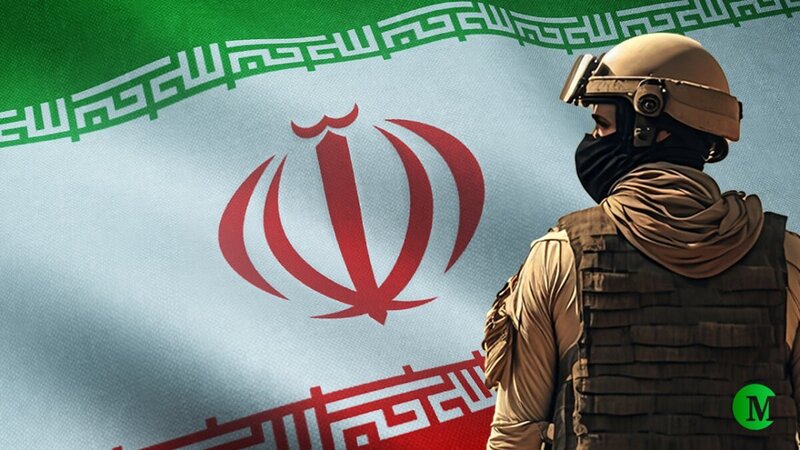
A senior official of the Islamic Republic — whose proposal was approved by Supreme Leader Mojtaba Khamenei and Iran’s Supreme National Security Council — said on September 22 that Iran is ready to reopen the Strait of Hormuz within seven days if the United States shows “seriousness and commitment” about returning to the negotiating table, by easing the naval blockade on Iranian ports and suspending military operations in the strait until a permanent end to hostilities is reached. The report was confirmed by both Iran International and IranWire, though neither outlet named the official who made the statement.
The offer came just hours after a particularly harsh passage in President Donald Trump’s address to the United Nations General Assembly, also on September 22:
«Should I annihilate the Islamic Republic, and do it quickly, never again giving them the chance to kill and destroy people and countries?»
Trump said, before adding, in an apparently contradictory turn:
«I think we’ll make a deal right after the election.»
He was referring to the US midterm elections in November. On September 23, it was Iranian President Masoud Pezeshkian’s turn to address the General Assembly in New York.
Six months of blockade
When US and Israeli strikes hit Iranian military targets earlier this year, Iran closed the strait to vessels from “hostile nations.” After a truce signed between Trump and Pezeshkian in June collapsed on July 8, the United States reinstated a naval blockade on Iranian ports, which remains in place.
Also on September 23, a further round of economic pressure took effect: a measure announced by US Treasury Secretary Scott Bessent on September 21 imposing a global halt on flights by Iranian airlines. «If they land, it won’t be possible to provide them with fuel or ground-handling services,» Bessent said.
Markets react
Crude oil, which had already begun retreating on September 22 on news of a possible resumption of pipeline flows from Saudi Arabia, fell further on the morning of September 23: West Texas Intermediate (WTI) was trading at $89.53 a barrel (-1.09%), after closing at $94.97 in New York the previous day; Brent crude had fallen below $98 on September 22, down about 2%, as Saudi Arabia works to restore pipeline flows.
On Wall Street, the Nasdaq Composite closed on September 22 at record highs for the second straight session (in the 27,240-27,270 point range, up just over half a percent), while the S&P 500 and Dow Jones ended the day mixed, broadly flat to slightly lower depending on the market data source (financial stocks were among the session’s weakest performers).
In the background is a summit set for September 24 in Washington between Trump and Chinese President Xi Jinping: the week began with market optimism ahead of that meeting, with the BTP-Bund spread (the gap between Italian and German 10-year government bond yields) narrowing to 89 basis points on Monday.
Editor’s note
This article was originally published in Italian on money.it by Ufficio Studi Money.it on September 23, 2026 as «L’Iran offre di riaprire Hormuz in una settimana, mentre Trump avverte l’Onu di poter «annientare» Teheran». It has been translated and adapted for an international audience by the Money.it International desk.