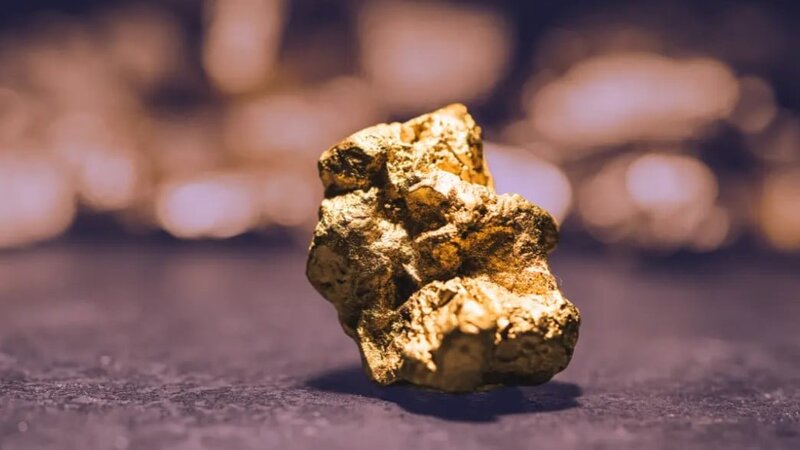
For years, the race for raw materials had an obvious protagonist: gold. Today, the energy transition is shifting attention toward far less familiar metals that have turned out to be indispensable for some of the technologies the future of energy is being built on.
Tellurium is one of them: a rare element that is taking on growing importance, above all in the solar power sector and in some applications that recover electricity from heat.
Why is tellurium important for solar power?
One of the main applications of tellurium is in cadmium telluride solar panels, also known as CdTe modules. In this technology, tellurium is used as a semiconductor material to convert sunlight into electricity.
According to the U.S. Department of Energy, tellurium accounts for roughly 10-15% of the cost of a CdTe solar module. The International Energy Agency (IEA) has also noted that, in a scenario of strong growth for this technology, demand for tellurium could rise significantly by 2040.
The real problem: where to find tellurium
The main issue with tellurium is its scarcity. There are no mines dedicated exclusively to extracting the element. In most cases, it is recovered as a byproduct of copper processing.
When copper is refined to obtain a purer material, certain impurities separate out and end up in what is known as anode slime, the residue left over from the refining process. Tellurium is among the substances present in that residue, and it can then be recovered and turned into a raw material.
That means the amount of tellurium available on the market doesn’t depend solely on demand for the metal itself. It also depends on how much copper is produced and how much tellurium is actually recovered during refining.
According to the U.S. Geological Survey (USGS), copper is in fact the primary source of tellurium, with more than 90% of global production derived from the anode slime generated during copper refining. As a result, even if demand were to rise quickly, opening a new tellurium mine would not be enough to increase supply just as fast: availability is tied to copper output and to refiners’ capacity to recover the tellurium present in their residues.
Tellurium prices have already risen
The difficulty of securing tellurium supply is already showing up in prices. According to USGS data, the estimated average annual price of tellurium in Europe rose from $81.54 per kilogram in 2024 to about $150 in 2025, an increase of 84%. In the United States, the average price climbed from $74.77 to about $120 per kilogram over the same period.
Part of that increase also traces back to export restrictions introduced by China on tellurium, which have helped reduce availability on the European market and pushed spot buying toward the United States.
From solar power to heat-generated electricity
Tellurium’s applications could extend well beyond solar power. Some of its compounds, such as bismuth telluride, are used in thermoelectric devices, which are capable of converting a temperature difference directly into electricity.
That is precisely the space where PyroDelta Energy, a subsidiary of First Tellurium and the company cited in the source behind this article, is active. The company is developing tellurium-based materials and thermoelectric generators aimed, among other applications, at recovering some of the waste heat produced by data centers and converting it back into electricity.
At the same time, future tellurium availability could also depend on how much material is already in circulation. Recycling CdTe panels is technically possible and is already happening in the United States, though recovered volumes remain limited because many of these modules are relatively new and have not yet reached the end of their useful life.
As with rare earths, the next race for raw materials in the case of tellurium too may come down to the ability to recover valuable materials from the technologies that are already entering our energy grids.
Editor’s note
This article was originally published in Italian on money.it by Emanuela Ceccarelli on September 27, 2026 as «Addio corsa all’oro, ora tutti vogliono il tellurio. Perché questo metallo raro è così importante per l’energia». It has been translated and adapted for an international audience by the Money.it International desk.