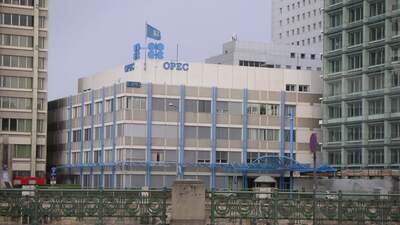

As news broke of the increase in production ordered by OPEC+, the often opaque organisation leaves many with questions about the role of this group of nations on the world’s oil production. Few organisations wield as much influence over the global economy as OPEC+. Comprising the members of OPEC alongside major non-OPEC producers such as Russia, the alliance is responsible for around 40 per cent of global oil production and an even larger share of proven reserves. Its decisions can affect everything from petrol prices and inflation rates to economic growth and government budgets.
For decades, OPEC and later OPEC+ have sought to manage oil markets by coordinating production levels among member states. By restricting supply, the group can push prices higher; by increasing output, it can help stabilise markets during periods of shortage. Yet recent events have highlighted the growing challenges facing an organisation that is increasingly divided, politically strained, and operating in a rapidly changing energy landscape.
Production increases meet geopolitical reality
On Sunday, OPEC+ approved its fourth consecutive production increase since April, authorising participating members to raise output by approximately 188,000 barrels per day from July. On paper, the move is intended to ease pressure on global markets following months of disruption caused by the conflict involving Iran and the closure of the Strait of Hormuz.
In practice, however, the situation is far more complicated. Despite successive increases in production targets, overall output from the alliance has fallen sharply. Security concerns, damaged infrastructure and disruptions to shipping routes have prevented several producers from fully implementing the agreed increases.
The result is a striking paradox: OPEC+ is announcing higher production while simultaneously producing less oil. This disconnect has exposed one of the alliance’s fundamental weaknesses. Setting quotas is one thing; ensuring that member states can meet them is quite another.
The UAE walks away
The most dramatic development has been the United Arab Emirates’ decision, on the 1st May, to leave OPEC after nearly sixty years of membership. While the immediate trigger may have been the wider regional crisis, tensions between Abu Dhabi and the organisation’s dominant power, Saudi Arabia, have been building for years.
The UAE has repeatedly argued that its production quota failed to reflect its growing capacity and investment in the oil sector. Saudi Arabia, by contrast, has generally favoured tighter production controls to maintain higher prices. The disagreement reflects a broader struggle over the future direction of the organisation and over who gets to shape its policies.
For OPEC+, the loss of the UAE is significant. Abu Dhabi possesses substantial spare production capacity, making it one of the few countries capable of rapidly increasing output when markets face shortages. Its departure weakens the group’s ability to respond to future crises and raises questions about whether other members might eventually follow its example.
Old problems, new pressures
The UAE’s exit has brought long-standing structural problems within OPEC+ back into focus. The alliance has always been held together by a delicate balance of competing national interests. Oil-exporting states depend heavily on petroleum revenues, but they do not all share the same priorities.
Countries facing budgetary pressures often favour higher production volumes, even at lower prices. Others, particularly Saudi Arabia, have traditionally preferred tighter supply controls that maximise revenue per barrel. Maintaining consensus among such diverse interests has never been easy.
Moreover, OPEC+ no longer enjoys the market dominance it once possessed. During the oil shocks of the 1970s, OPEC controlled roughly half of global crude production. Today, the rise of American shale oil and increased output from other non-member producers have significantly reduced the organisation’s share of the market. While OPEC+ remains influential, its ability to dictate prices is far weaker than it was at the height of its power.
The energy transition dilemma
Beyond immediate geopolitical concerns lies an even greater challenge: the global transition away from fossil fuels. Governments across Europe, North America and parts of Asia are investing heavily in renewable energy and pursuing policies aimed at reducing carbon emissions.
For oil-producing countries, this creates a strategic dilemma. If future demand growth becomes uncertain, there is a strong incentive to maximise production while markets remain profitable. Such behaviour, however, runs directly against the collective discipline on which OPEC+ depends.
Paradoxically, the energy transition may therefore encourage greater competition among producers rather than greater cooperation. The prospect of a shrinking long-term market could make quota disputes even more intense in the years ahead.
An uncertain future
OPEC+ remains one of the most important actors in the global economy, but recent events have exposed growing cracks in its geopolitical foundations. The difficulties in increasing production, the departure of the UAE and the wider geopolitical turmoil surrounding the Gulf have all highlighted the challenges facing the alliance.
Whether OPEC+ can maintain cohesion in the face of these pressures remains an open question. What is clear is that the organisation is operating in a world very different from the one in which it first rose to prominence. As geopolitical rivalries deepen and the energy transition accelerates, the future of the world’s most powerful oil alliance looks increasingly uncertain.