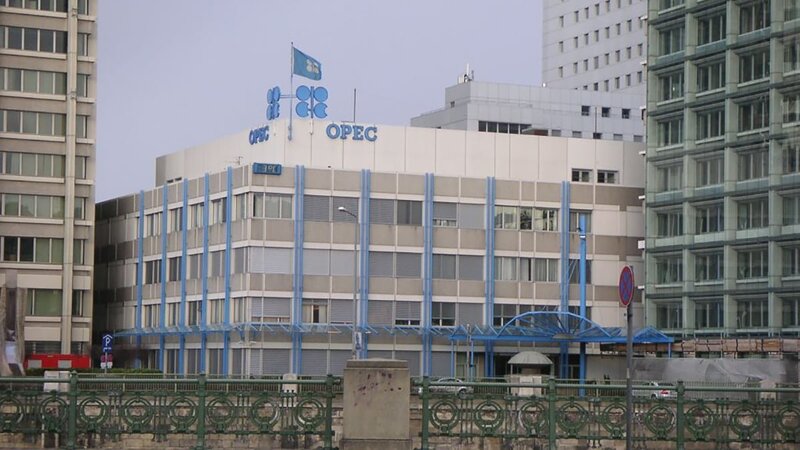
On October 4, in a virtual meeting, the seven OPEC+ countries most directly involved in managing output quotas (Saudi Arabia, Russia, Iraq, Kuwait, Kazakhstan, Algeria and Oman) decided to keep oil production levels unchanged for November 2026. The aggregate target stays at about 31.01 million barrels per day, the same level set for September and October. It is the second consecutive month of stability, following four straight months of increases (June through September) that gradually unwound the voluntary cuts adopted starting in 2023.
The group’s official statement is terse: «The seven participating countries decided to maintain for November 2026 the production levels required for September 2026,» with the next meeting set for November 1.
Country quotas, according to figures released by the group and reported by several specialized outlets, remain: Saudi Arabia 10.478 million barrels per day, Russia 9.949 million, Iraq 4.431 million, Kuwait 2.676 million, Kazakhstan 1.628 million, Algeria 1.007 million and Oman 841,000. About 2 million barrels per day of voluntary cuts remain frozen at least through the end of the year, while the review of each country’s maximum sustainable production capacity, the technical data on which 2027 quotas will be based, has slipped from the end of September to mid-November because not all members have yet submitted the required data.
The real story, however, is not the confirmation of quotas but the gap between what the group could pump on paper and what actually reaches the loading terminals. In August 2026 the seven countries produced about 25 million barrels per day, roughly 5 million less than the roughly 30 million of February 2026, the last month before the conflict between the United States/Israel and Iran broke out. The Strait of Hormuz, through which about one-fifth of the world’s traded crude oil and liquefied natural gas (LNG) has historically passed, has been effectively blocked since February 28, when the fighting began. Gulf exports, according to the same industry sources, now fluctuate between 60% and 80% of normal levels.
In other words, OPEC+ decisions on paper now matter less than the real ability to export. The gap between quota and actual output, about 5 million barrels per day, is slightly larger than the entire daily output assigned to Iraq, the group’s third-largest producer. That is also why the 2027 capacity review is slipping: certifying how much oil each country could actually put on the market if the situation in the Gulf normalized is, for now, an almost theoretical exercise.
Prices reflect real scarcity
Markets know this and are pricing it in: Brent is trading around $102 a barrel today and WTI around $90, still far above the roughly $73 of late February, before the war began. That is a rise of about 40% in seven months, while a year ago Brent was still trading below $70.
In the United States the impact has hit diesel even harder, the fuel most exposed to the shortage of refined products coming from the Middle East. The national average price hit an all-time record of $6.27 per gallon on September 15, according to the American Automobile Association (AAA), an increase of almost two-thirds from about $3.76 at the end of February.
Partially offsetting this are the strategic reserves released in recent months by G7 countries, which by some estimates amount to a little over 800,000 barrels per day over 120 days. They cover only a fraction of the Gulf production hole and are described by several analysts as a temporary cushion, not a structural solution. According to the analysis of some trading desks (including Zaye Capital Markets), oil remains caught between a still-elevated geopolitical risk premium and the expectation of looser supply conditions in the coming months, a tension that explains why prices have not climbed further in recent weeks despite the ongoing war.
Editor’s note
This article was originally published in Italian on money.it by Ufficio Studi Money.it on October 05, 2026 as «L’Opec+ conferma la produzione di novembre, ma il vero taglio resta nel Golfo. Mancano ancora 5 milioni di barili al giorno». It has been translated and adapted for an international audience by the Money.it International desk.