

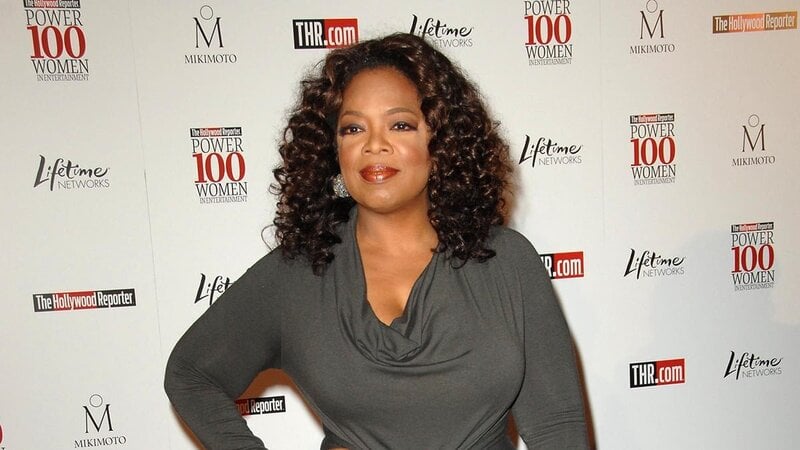
In 2008, restaurateur Sam Fox and physician Andrew Weil founded True Food Kitchen in Phoenix, a restaurant chain built around healthy food and high-quality ingredients. The concept appealed to Oprah Winfrey, who in 2018 invested an undisclosed sum in the company and joined its board as a minority shareholder.
The talk show host is no longer on the board, but True Food Kitchen is back in the headlines. In early October it filed for the creditor protection provided by Chapter 11 of the US bankruptcy code, carrying about $42.1 million in financial debt, and closed 12 of its restaurants.
The Chapter 11 filing
On October 4, 2026, FRC Balance, the company that runs the chain, and eight affiliated entities filed a petition with the US Bankruptcy Court for the Southern District of Texas. Chapter 11 is not a liquidation: it lets a company keep operating under court supervision while it restructures its debt and looks for a buyer.
To fund that phase, pay employees and secure the liquidity it needs, HumanCo TFK IV — an entity tied to HumanCo, an investment group active in the wellness sector — has made $20 million in financing available. A first $5 million tranche is expected under the court’s interim authorization, while the remaining $15 million is contingent on final approval and additional conditions.
The sale will follow a tight calendar: bids are due by December 10, a possible auction is scheduled for December 17, and the transaction is expected to close by January 22, 2027.
The closures and the impact on employees
The 12 restaurants that were shut served customers through October 4, the day of the filing. The 34 locations still open, spread across 14 states, will keep operating for the duration of the restructuring.
The number of employees affected by the closures has not been disclosed. True Food Kitchen has, however, asked the court to authorize the use of the HumanCo TFK IV financing to cover staff wages and benefits as well.
What drove the crisis
In the declaration filed with the court, chief restructuring officer Nathan Cook set out the reasons behind the company’s troubles. Among them are frequent turnover at the top and repeated shifts in strategy, with changes to expansion plans, brand identity and menu offerings.
Also weighing on the business were unsuccessful investments in initiatives outside the core business, including trials of delivery-only kitchens, the effects of the pandemic, and customer traffic below expectations at some locations, partly because of shifting market conditions and changing demographics in the areas served. Before seeking court protection, the company had also leaned heavily on short-term financing against future revenue, an expensive form of credit.
The causes, then, are many, and they compounded one another. Efforts to cut staff, renegotiate supplier contracts and obtain better lease terms, all begun before the company turned to the court, were not enough.
Editor’s note
This article was originally published in Italian on money.it by Andrea Fabbri on October 15, 2026 as «La catena di ristoranti sostenuta da Oprah Winfrey presenta istanza di fallimento e chiude 12 sedi negli USA». It has been translated and adapted for an international audience by the Money.it International desk.


