Wall Street futures fell Monday. Oil jumped, AI stocks slumped, and traders priced in a Fed rate hike.
S&P 500 futures were down about 0.5% to 7,618 in early trading, according to Yahoo Finance. Nasdaq 100 futures fell more than 1%, with trackers split between a 1.1% and 1.6% drop, as chipmakers led the retreat. The moves follow a selloff in Asian equities and a sharp jump in energy prices heading into a week that ends with the Federal Reserve’s rate decision on Wednesday.
Two shocks are colliding at once. The first is geopolitical: Saudi Arabia shut its East-West crude pipeline, which normally carries 4 to 5 million barrels a day, as a precaution after a drone attack attributed to Iran-backed militias in Iraq. Separately, Iran-backed Houthi forces seized Yemen’s Perim Island, in the Bab el-Mandeb strait at the mouth of the Red Sea, tightening their grip on a second shipping chokepoint. Brent crude climbed above $107 a barrel and US West Texas Intermediate traded above $102, both up more than 3% on the day. The two supply threats sit on top of an already-disrupted Strait of Hormuz, the corridor through which roughly a fifth of the world’s oil and LNG normally moves: seven countries — five Gulf Cooperation Council members plus Iran and Iraq — are meeting in Oman on Monday, where Tehran is expected to unveil a proposed temporary shipping route through the strait, negotiated without US involvement. The International Energy Agency, in its September Oil Market Report, has meanwhile cut its 2026 demand outlook, forecasting a 2.5 million-barrel-a-day contraction, the steepest annual decline since the pandemic, as higher prices and tighter supply choke off consumption even as the conflict plays out.
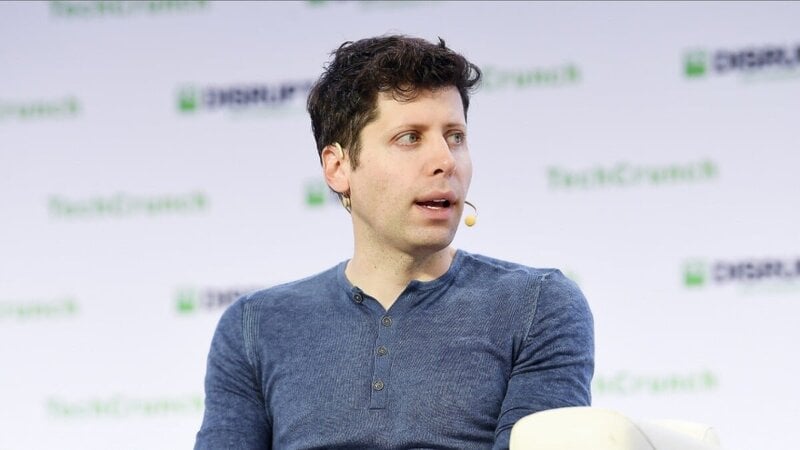
The second shock is coming from inside the AI industry itself. Anthropic chief executive Dario Amodei on Saturday called on AI developers to deliberately slow the pace at which they push out more powerful frontier models, urging independent oversight of the leading labs. Elon Musk, who runs xAI, said on X that he agreed, and OpenAI’s Sam Altman wrote that he agreed “that we need to pace the frontier.” Altman separately said OpenAI would not go public this year, calling an IPO now “ill-advised” given safety concerns. The rare alignment among three rival AI chiefs unsettled a market that had priced years of uninterrupted capital spending into chip and cloud valuations. Nvidia fell more than 2% in premarket trading, AMD dropped 4.77%, Intel slid 5.29% and Qualcomm fell 4.11%; Meta and Amazon were each down more than 1%. SoftBank’s shares fell more than 10% in Tokyo, dragging major AI-linked names lower across chip stocks worldwide. Investors weighing whether to buy the dip in Nvidia now have a genuinely new variable to price: a voluntary slowdown coming from the industry’s own leadership, not from a regulator.
Overnight in Asia, Japan’s Nikkei 225 fell 1.00%, South Korea’s Kospi dropped 3.45% and Hong Kong’s Hang Seng slipped 0.5% to 24,687, its fourth straight losing session, as technology shares led the declines. China’s Shanghai Composite bucked the trend, adding 0.16%.
Behind all of it sits the Fed. The Federal Open Market Committee meets Tuesday and Wednesday, with the policy statement due at 2:00 p.m. Eastern Wednesday and Chair Kevin Warsh’s press conference to follow — a meeting that also carries updated economic projections and the closely watched “dot plot.” CME FedWatch pricing put the odds of a quarter-point hike at roughly 85% heading into the weekend, up from just 48% a month ago, after the Bureau of Labor Statistics reported the Consumer Price Index rose 3.4% year-over-year in August, with the monthly gauge up 0.4%, driven largely by a 3.9% jump in gasoline prices. That is the same inflation data now colliding with a fresh, supply-driven spike in oil — a combination that leaves the Fed little room to look past energy prices as “transitory.” Our recent look at Jackson Hole and the scenarios facing Warsh walks through how the Fed chair got to this point. The 10-year Treasury yield stood at 4.96% Monday, within striking distance of 5% and its highest level since October 2023, as bond investors braced for the decision.
What to Watch for the Open
- The GCC-Iran meeting on Hormuz. Any signal of a shipping arrangement would take pressure off oil prices fast; a breakdown would likely push Brent higher still.
- Whether the AI selloff is a single scary weekend or a trend. Watch if chip and cloud names stabilize by midday or if the slide broadens into software and data-center names.
- Tuesday’s Empire State Manufacturing Index, the first hard data point of Fed week, out at 8:30 a.m. Eastern.
- The 10-year yield’s approach to 5%. A push through that level before Wednesday would tighten financial conditions on its own, regardless of what the Fed decides.
- Wednesday’s FOMC statement and dot plot at 2:00 p.m. Eastern, followed by Warsh’s press conference at 2:30 p.m.
Market data as of approximately 8:00 a.m. Eastern on September 14, 2026. Futures levels change continuously and do not guarantee the direction of the regular session. This article is information, not investment advice.