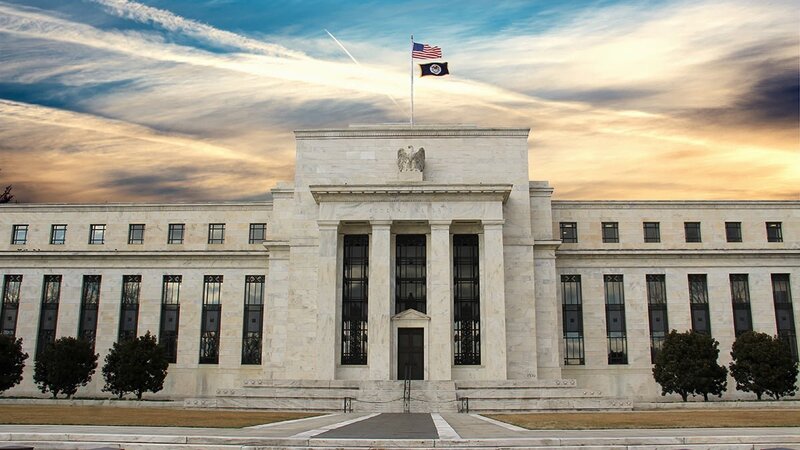
Wall Street closed lower Friday. A stronger-than-expected August jobs report revived bets that the Federal Reserve will raise interest rates this month, and traders now have a three-day weekend to sit with the news.
The S&P 500 fell 0.38% to 7,718.60, the Nasdaq Composite dropped 0.29% to 26,506.99, and the Dow Jones Industrial Average lost 0.51%. The small-cap Russell 2000 was the exception, adding 0.25% even as Treasury yields jumped across the front end of the curve and the Cboe Volatility Index rose nearly 1.5%.
Why a Strong Jobs Report Spooked Wall Street
The US added 162,000 jobs in August, the Bureau of Labor Statistics reported Friday, more than double the roughly 55,000 economists had penciled in, as previewed here earlier in the week. The unemployment rate held at 4.1%, average hourly earnings rose 0.3% to $37.75, and June and July payrolls were revised up by a combined 55,000.
For workers, that is good news. For investors, a resilient labor market gives the Fed less cover to hold rates steady and more room to keep fighting inflation. Fed funds futures pushed the odds of a September hike back up, reversing part of the pullback triggered a day earlier by dovish comments from Fed Governor Christopher Waller, which had sent Asian markets rallying Thursday night. “The next Fed decision will be finely balanced,” said Bill Adams, chief US economist at Fifth Third Commercial Bank, pointing to next week’s inflation data as the tiebreaker.
The 2-year Treasury yield climbed to 4.374%, a fresh 52-week high, extending a run this column has tracked since rates first spiked on hike bets last month. The 5-year yield also hit a 52-week high at 4.545%, while the 10-year rose to 4.78%, its highest level since November 2023.
A Foreign Wealth Fund Adds to the Pressure
Norway’s $2.3 trillion sovereign wealth fund, the world’s largest, has proposed cutting its US Treasury holdings by roughly $80 billion as part of a broader shift away from government bonds, Reuters reported Friday. The move would not take effect until well into 2027, but it lands at a moment when rising long-term borrowing costs are already unsettling bond investors — one more reason the long end of the curve has been climbing alongside short-term rate expectations.
Pressure From the White House, Too
President Trump used a Friday social media post to demand the Fed cut rates immediately, threatening to cut off trade with countries that run surpluses with the US if it does not. It is the latest instance of the president publicly pressuring Fed Chair Kevin Warsh, whose own hawkish tone since taking over the Fed has been a recurring theme for markets this year.
Oil Eases, But the Middle East Stays in Focus
Crude pulled back from six-week highs Friday, with Brent crude slipping to $95.04 a barrel and West Texas Intermediate easing to $90.55, after a week of renewed US strikes on Iran and Iranian retaliation against shipping near the Strait of Hormuz. The European Union formally joined US sanctions on Tehran this week, and any further disruption to the strait — which carries roughly a fifth of the world’s oil and gas — is exactly the kind of supply shock that could complicate the inflation picture the Fed is trying to read.
Markets Closed Monday — What to Watch Before Tuesday’s Reopen
US stock and bond markets are shut Monday, September 7, for Labor Day, leaving traders to digest Friday’s move over a long weekend before regular trading resumes Tuesday. The calendar picks up fast from there.
- Tuesday, September 8: Markets reopen; GameStop reports second-quarter earnings.
- Friday, September 11: The August inflation report lands at 8:30 a.m. ET — the data point Fed officials have repeatedly said will shape this month’s decision.
- September 15-16: The FOMC meets, with a rate decision due Wednesday at 2 p.m. ET. Nine members voted to hold rates at 3.50%-3.75% in July, but three dissented in favor of a hike — an unusually hawkish split for a policy committee.
What to Watch for the Open
- The 2-year yield: another push above Friday’s 52-week high would confirm the market is leaning further into a September hike.
- CPI on September 11: a soft print revives the case for holding steady; a hot one all but locks in a hike two weeks later.
- Oil above $95: sustained Brent strength tied to the Iran conflict would add an unwelcome inflation input just as the Fed reads the data.
- Fed funds futures: watch whether hike odds keep climbing through the holiday-shortened week or fade once the CPI print is in hand.
Sources: US Bureau of Labor Statistics, Employment Situation Summary, August 2026 (released September 4, 2026). TheStreet, “Stock Market Today (Sept. 4, 2026): Yields jump, stocks fall after jobs report surprises to upside,” September 4, 2026. Reuters, “Norway’s $2 trillion sovereign fund proposes deep cuts to US Treasury holdings,” September 4, 2026. CNBC, “Trump demands Fed cut rates after jobs report,” September 4, 2026. CNBC, “US, Iran war: EU joins US sanctions on Tehran,” September 4, 2026. FedRateCalc, FOMC Meeting Schedule, September 2026. Cambridge Currencies, Fed Interest Rate Decision tracker. US BLS, CPI release schedule, August 2026 data due September 11, 2026.