

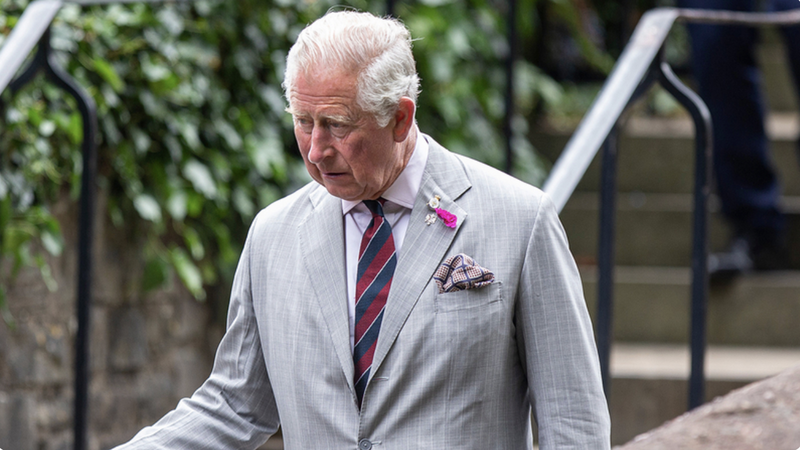
The figure places the King among the UK’s highest taxpayers and marks an unprecedented step towards financial transparency within the British monarchy. The disclosure was made as part of the Royal Household’s annual financial report and comes amid growing scrutiny of royal wealth, public funding and accountability.
The announcement also revealed that Prince William, heir to the throne, paid £7.76 million in taxes over the same period.
Why does the King pay tax?
Unlike ordinary British citizens, the monarch is not legally required to pay income tax or capital gains tax. The arrangement dates back to constitutional conventions governing the Crown and its finances.
However, since 1993, following reforms introduced by Queen Elizabeth II, the sovereign has voluntarily paid tax on private income. The system was designed to strengthen public confidence in the monarchy and demonstrate that the Royal Family contributes financially like other taxpayers.
While previous monarchs agreed to pay taxes voluntarily, none publicly disclosed the amount paid. Buckingham Palace said the King’s decision to release the figures was intended to improve public understanding of royal finances and accountability.
Since Charles became king in September 2022, he and Prince William have together paid more than £50 million in taxes, according to figures released by their offices.
Where does the King’s money come from?
The King’s taxable income does not come from the Sovereign Grant, the public funding mechanism that finances the monarchy’s official duties. Instead, his principal source of income is the Duchy of Lancaster, a private estate consisting of agricultural land, commercial property and financial investments. The estate generated around £25.2 million during the latest financial year.
The King also receives income from his privately owned estates, including Balmoral Castle in Scotland and Sandringham House in eastern England, alongside returns from personal investments and savings.
However, Buckingham Palace did not disclose the King’s total personal wealth or provide a detailed breakdown of his taxable income and deductions. As a result, while the disclosure represents a significant increase in transparency, important aspects of royal finances remain undisclosed.
Transparency under growing pressure
The publication of the King’s tax bill comes at a sensitive moment for the monarchy.
Recent months have seen renewed debate over royal finances, including questions about the costs of maintaining royal residences and the management of private royal estates.
This especially in the light of the scandal surrounding Prince Andrew, now Andrew Mountbatten-Windsor, who lives in a royal residence without paying any substantial rent. This despite the fact that he has been stripped of his royal status and is, de facto, a normal British citizen.
Thus, by voluntarily releasing the figures, the Palace appears to be responding to demands for greater openness before political pressure for wider financial disclosure intensifies.
The disclosure is also notable because it extends to Prince William, who had not previously published details of his tax payments after inheriting the Duchy of Cornwall upon his father’s accession to the throne.
According to palace officials, both men pay tax at the highest rate on their taxable income.
The wider debate over royal finances
The tax announcement comes as public funding for the monarchy is also under scrutiny. Under a revised funding formula, the Sovereign Grant, the public funding that comes from the British government used to finance the King’s official household, palace maintenance and state functions, is expected to rise to almost £100 million annually from 2027-28.
Critics argue that the increase is difficult to justify during a period of economic pressures and stretched public finances. Supporters, meanwhile, contend that the monarchy generates substantial tourism revenues and provides diplomatic benefits that exceed its costs.
Ultimately, King Charles’s £12.9 million tax payment is significant not simply because of its size. It represents an attempt by Britain’s oldest institution to present itself as more financially accountable in an era of heightened scrutiny over inherited wealth, public spending and transparency.
While the disclosure will never satisfy the many critics of the Royal family, that insist that the institution costs more than it is worth, it has undoubtedly introduced a new transparency that is positive. By publishing his tax bill for the first time, the King has set a new benchmark for openness within the modern British monarchy.