
U.S. stock futures slipped early Friday. S&P 500 futures fell 0.12%, Nasdaq 100 futures lost 0.18%, and Dow futures were little changed in the overnight session. The pullback followed a strong Thursday that left Wall Street’s major indexes on track for weekly gains.
On Thursday, the Dow Jones Industrial Average added 139.02 points, or 0.27%, to close at 52,487.41. The Nasdaq Composite climbed 1.30% to 26,206.89, and the S&P 500 rose 0.81% to 7,543.64.
Korea’s chip stocks trigger a circuit breaker
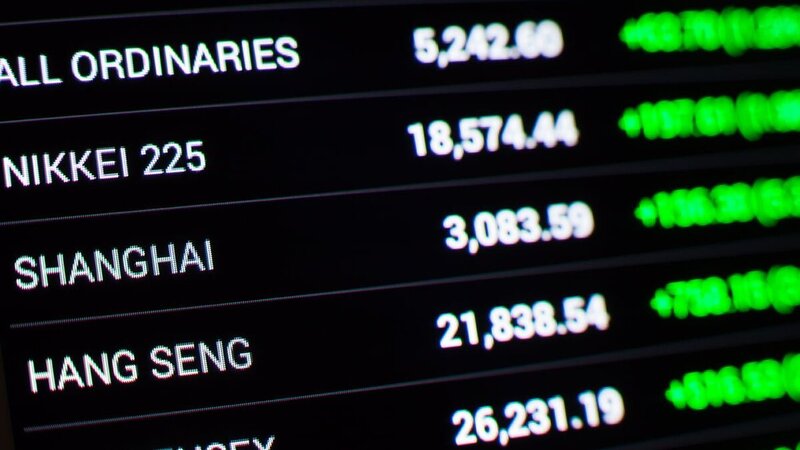
Asian markets extended that momentum overnight, and South Korea led the charge. The Kospi surged 2.52% to close at 7,475.94, after climbing as much as 5.66% intraday — a rally sharp enough to trigger a “buy sidecar,” a circuit breaker that temporarily halts program trading. The tech-heavy Kosdaq jumped 5.47% to 837.43. Samsung Electronics led the gainers, part of a broader bid for chipmakers tied to the artificial-intelligence buildout, the same dynamic that has powered chipmakers correlated with Nvidia over the past two years.
Japan’s Nikkei 225 climbed as much as 2.4% intraday before easing into the close on profit-taking tied to ETF distribution payouts, finishing up 1.20% at 68,557.73. The catalyst was overnight news out of the U.S.: Micron Technology laid out plans to invest more than $250 billion in domestic chip production through 2035, up from a $200 billion commitment made just last year, and Meta said it would begin mass-producing its in-house “Iris” AI chip in September as part of a plan to roughly double its computing capacity to 14 gigawatts by 2027. Both moves eased fears of a slowdown in AI infrastructure spending. Advantest and SoftBank Group were among the session’s biggest gainers in Tokyo.
Oil eases as Iran talks resume
Sentiment also improved after President Trump said Iran had reached out to negotiate, with Qatar and Pakistan working to revive talks between Washington and Tehran. Brent crude eased to $76.66 a barrel and West Texas Intermediate traded near $72.41, well off the spikes tied to shipping disruptions near the Strait of Hormuz, the chokepoint that still carries roughly a fifth of the world’s oil.
In the bond market, the 10-year Treasury yield held near 4.54%. Gold slipped 0.27% to around $4,129 an ounce, while the dollar stayed on the defensive against the yen. The moves come as the Federal Reserve navigates a murkier policy path: Chair Kevin Warsh told the ECB’s Sintra forum this month that U.S. inflation remains “too high,” even as June’s jobs report came in far weaker than expected, complicating the case for the rate hikes Warsh has signaled. The Labor Department’s weekly claims report, released Thursday, showed initial jobless claims fell to 215,000 for the week ending July 4, below every major forecast and a sign the labor market is cooling gradually rather than cracking.
What to Watch for the Open
- Delta Air Lines reports second-quarter results before Friday’s opening bell, an early read on summer travel demand and fuel costs that typically sets the tone for the rest of the airline earnings cycle.
- SK Hynix’s planned U.S. listing stays in focus after the stock rallied in Seoul alongside Samsung SDI and Seoul Semiconductor; American investors without direct access to Korean exchanges typically gain exposure through ADRs.
- Watch chip-adjacent names in the premarket, from Micron to equipment suppliers tied to Advantest, for follow-through on the overnight Asian rally.
- Keep an eye on Brent and WTI for any reversal if the Iran-U.S. talks in Doha show signs of breaking down again.
Wall Street looks set to open lower after a strong week, with traders weighing whether Asia’s chip enthusiasm can offset a still-uncertain rate path at the Fed.